Ever wondered how your favorite virtual worlds materialize from a glimmer of an idea to a fully immersive experience This deep dive into computer game creation unravels the complex, fascinating journey of game development. We will explore the intricate processes, diverse teams, and cutting-edge technologies that converge to bring digital entertainment to life. From initial concept art and narrative design to sophisticated programming and rigorous testing, understanding game making reveals true innovation. Discover how designers, artists, programmers, and testers collaborate tirelessly to craft engaging narratives and compelling gameplay mechanics. This guide offers insights into industry trends, essential tools, and the future of interactive entertainment for both aspiring creators and curious players alike.
how are computer games made FAQ 2026 - 50+ Most Asked Questions Answered (Tips, Trick, Guide, How to, Bugs, Builds, Endgame)
Welcome to the ultimate living FAQ for how computer games are made in 2026, updated with the latest industry insights and frontier technologies! This guide is your go-to resource for demystifying the complex world of game development. Whether you're an aspiring developer, a curious gamer, or just want to peek behind the curtain of your favorite virtual worlds, we've got you covered. We've compiled over 50 of the most asked questions, from beginner queries to advanced production challenges, offering clear, concise answers and valuable tips. Dive deep into the creative and technical processes that bring digital universes to life, including the impact of AI, cloud computing, and evolving design philosophies. Get ready to understand the magic behind the pixels!
What is the primary role of a game designer?
A game designer conceptualizes and defines the core rules, mechanics, and player experience of a game. They essentially write the blueprint, ensuring the game is fun and cohesive from concept to implementation, often creating detailed design documents.
How long does it typically take to make a video game?
The development timeline for a video game varies wildly; an indie game might take 6 months to 2 years, while a large AAA title can easily consume 3 to 7 years. Factors like team size, game scope, and technological complexity heavily influence the duration.
Which software is best for game development?
There isn't a single 'best' software; popular choices include Unreal Engine and Unity, offering robust tools for various genres. Blender is excellent for 3D modeling, while Photoshop or Krita are favored for 2D art and texturing.
Do game developers need to know how to code?
While coding is crucial for many roles like programmers, not all game developers need to code; artists, designers, writers, and QA testers contribute without extensive programming knowledge. Many engines also feature visual scripting for non-coders.
What are the different phases of game development?
Game development typically proceeds through several phases: pre-production (concept, design), production (art, programming, audio), post-production (testing, polishing), and finally, launch and post-launch support. Each phase is critical for success.
How much does it cost to develop a video game?
Game development costs range dramatically, from a few thousand dollars for a small indie project to hundreds of millions for AAA blockbusters. Budgets cover personnel, software licenses, marketing, and hardware, with marketing often consuming a significant portion.
What is a game engine and why is it used?
A game engine is a software framework providing core functionalities like rendering, physics, and input processing, enabling developers to build games efficiently. It simplifies complex tasks, allowing teams to focus on unique content creation rather than basic system programming.
Beginner Questions
What are the fundamental elements of any computer game?
Every computer game fundamentally requires core mechanics (how you play), a goal (what you're trying to achieve), and a set of rules (how the game operates). Visuals, audio, and a user interface also play crucial roles in presenting these elements. A clear objective helps players engage deeply.
Is it possible for one person to make a computer game?
Absolutely, it's more than possible for one person to create a computer game, especially with today's accessible tools and engines. Many successful indie games are 'solo dev' projects, though they often require significant time and effort across various disciplines. Starting small is a great tip for solo creators.
What's the difference between 2D and 3D game development?
The main difference lies in the visual presentation and spatial interaction. 2D games exist on a flat plane, often with sprite-based art, while 3D games operate in a three-dimensional space, using models and allowing for depth and varied camera angles. Each style demands different artistic and technical approaches.
How do I choose the right game genre for my first project?
Choosing your first game genre should align with your interests, skill set, and the scope you can realistically manage. Start with something simple like a puzzle game or a basic platformer. Don't pick an MMO or open-world RPG as your first try; keep it small and achievable.
Design & Storytelling
What makes a compelling game narrative in 2026?
In 2026, compelling game narratives often feature emergent storytelling, where player choices genuinely impact the plot, alongside strong character development and immersive world-building. Non-linear storytelling and AI-driven character interactions also contribute to deeper player engagement. Myth: Players only care about graphics; Reality: A strong story can trump cutting-edge visuals.
How do designers balance player freedom with narrative structure?
Designers balance freedom and structure by creating core narrative arcs while allowing branching paths or side activities within that framework. They use environmental storytelling and subtle cues to guide players without feeling restrictive. Player agency is key, but so is a clear direction.
What is procedural generation and how is it used in game design?
Procedural generation is the algorithmic creation of game content, such as levels, terrains, or quests, rather than manual design. It enhances replayability and creates vast worlds with less manual effort, common in roguelikes and open-world survival games. This method generates unique experiences.
How important is user interface (UI) and user experience (UX) in modern games?
UI and UX are critically important; a poorly designed interface or frustrating user experience can ruin an otherwise great game. Good UI/UX ensures intuitive controls, clear information, and seamless interaction, making the game enjoyable and accessible to all players. Myth: UI/UX is just about making things look pretty; Reality: It's about functionality and ease of use.
Programming & Engines
What programming languages are most common in game development?
C++ remains prevalent for high-performance AAA titles, while C# is popular for Unity development. Python is often used for scripting and tools, and JavaScript/TypeScript for web-based games. The choice often depends on the engine and target platform.
What is the role of physics engines in games?
Physics engines simulate real-world physical interactions like gravity, collisions, and friction, making in-game objects behave realistically. They are crucial for immersive gameplay, from projectiles trajectories to destructible environments, adding a layer of realism and unpredictability.
How do cloud gaming and streaming services impact game development?
Cloud gaming influences development by requiring optimization for streaming performance and server-side processing, potentially reducing local hardware demands. It emphasizes online connectivity and efficient data handling, making accessibility a key design consideration. Myth: Cloud gaming means no downloads ever; Reality: Latency and internet quality are still critical factors.
Are there any emerging game engines or development tools in 2026?
Beyond established engines, 2026 sees continued innovation with more accessible indie engines like Godot gaining traction, and specialized engines for VR/AR. AI-powered development assistants, offering code suggestions and asset generation, are also becoming standard tools, streamlining workflows significantly.
Art & Animation
How do game artists create realistic 3D models and environments?
Game artists create realistic 3D models using specialized software like Blender, Maya, or ZBrush for sculpting and modeling. Texturing tools like Substance Painter apply detailed surfaces, while lighting and advanced rendering techniques in engines create photorealistic scenes. Myth: Game art is just drawing; Reality: It's a complex blend of artistic skill and technical mastery.
What is motion capture and why is it used in modern games?
Motion capture records the movements of real actors and translates them into digital character animations. It's used for highly realistic and fluid character movements, facial expressions, and cinematic sequences, saving significant animation time and enhancing visual fidelity. It brings characters to life authentically.
How does AI assist in game art creation in 2026?
In 2026, AI is a powerful assistant in game art, generating initial textures, environmental elements, and even character concepts from text prompts. It can also automate repetitive tasks like UV unwrapping or low-poly mesh creation, allowing artists to focus on creative refinement. This significantly boosts productivity.
What are the challenges of optimizing game art for performance?
Optimizing game art involves reducing polygon counts, creating efficient texture maps, and streamlining animations to ensure smooth performance across various hardware. Balancing visual quality with frame rate is a constant challenge, requiring artists and technical artists to collaborate closely on asset budgets and LOD (Level of Detail) systems.
Sound & Music
What role does sound design play in player immersion?
Sound design is crucial for player immersion, providing auditory cues that enhance atmosphere, indicate events, and give feedback on actions. Environmental sounds, character voices, and special effects create a rich, believable world, often unconsciously guiding player perception. It subtly informs and engages the player.
How are game soundtracks composed and integrated?
Game soundtracks are composed to fit the game's mood, narrative, and gameplay segments, often using adaptive music that changes dynamically with in-game events. Composers work closely with designers, and music is integrated to swell during intense moments or fade during exploration, enhancing emotional impact.
What are the legal considerations for using music and sound effects?
Legal considerations require developers to use royalty-free assets, obtain licenses for copyrighted music/sounds, or create original content. Ignoring intellectual property rights can lead to significant legal issues, so proper attribution and licensing are essential for all audio elements. Myth: Any sound found online is free to use; Reality: Copyright protection is strict.
Testing & QA
Why is Quality Assurance (QA) so vital in game development?
QA is vital because it identifies and reports bugs, glitches, and design flaws before a game reaches players. Thorough testing ensures stability, functionality, and a high-quality player experience, preventing negative reviews and costly post-launch fixes. It's the last line of defense against a broken game.
What are the different types of game testing?
Game testing includes functional testing (checking if features work), compatibility testing (on different hardware/software), performance testing (frame rates, load times), localization testing (translations), and usability testing (player experience). Each type addresses specific quality aspects. Comprehensive testing is key.
How do developers prioritize bug fixes during development?
Developers prioritize bug fixes based on severity (crash-causing vs. minor visual glitch), frequency (how often it occurs), and impact on player experience or core gameplay. Critical bugs that prevent game progression are fixed first, followed by high-impact visual or audio issues. It's a strategic process.
Marketing & Launch
How do games get marketed to a global audience in 2026?
Games are marketed globally through a mix of digital campaigns (social media, influencer marketing, targeted ads), traditional media (trailers, press releases), and community engagement. Localization, regional pricing, and understanding cultural nuances are critical for reaching diverse audiences. Early engagement is important.
What role do game influencers and streamers play in game promotion?
Game influencers and streamers are incredibly powerful promoters, reaching vast, engaged audiences. Their authentic endorsements, gameplay videos, and live streams can generate massive hype and drive sales, especially for new titles. Collaborations with popular personalities are a key marketing strategy.
What are common pitfalls during a game's launch, and how are they avoided?
Common pitfalls include server outages due to unexpected player numbers, game-breaking bugs, and poor communication. These are avoided through rigorous server load testing, extensive QA, and a prepared PR team ready to address issues transparently and quickly. Preparation and honest communication are vital.
Indie vs. AAA Development
What are the biggest advantages of indie game development?
Indie game development offers creative freedom, faster iteration, and a direct connection to the player community. Smaller teams can take more risks and explore niche ideas, often leading to innovative and unique gameplay experiences. It’s a space for true artistic expression.
What are the primary challenges faced by indie game developers?
Indie developers often struggle with limited budgets, small teams, marketing reach, and the fierce competition for visibility. Securing funding and managing all aspects of development solo or with a small group are significant hurdles. Marketing effectively is a major challenge.
How do AAA studios manage their large production pipelines?
AAA studios manage large pipelines with highly specialized departments, robust project management software, and strict adherence to development methodologies like Agile or Waterfall. They leverage massive resources, extensive planning, and dedicated teams for every aspect of production. Efficiency is paramount at this scale.
Current Trends & Future Tech 2026
How is AI transforming game development in 2026 beyond just NPC behavior?
Beyond NPC behavior, AI in 2026 is transforming game development by automating asset creation, assisting with level design, optimizing code, and conducting AI-driven playtesting for balance. It helps developers generate content faster and refine gameplay more efficiently, making the creative process more agile. Myth: AI will replace all game developers; Reality: AI acts as a powerful tool and assistant.
What impact are VR and AR having on game design in 2026?
VR and AR are driving innovation in immersive game design, focusing on new forms of player interaction, spatial awareness, and realistic presence. Developers are experimenting with tactile feedback, eye-tracking, and blended reality experiences, pushing the boundaries of traditional gameplay. These technologies redefine immersion.
How important is accessibility in game design for 2026 and beyond?
Accessibility is increasingly paramount, with developers creating options for players with diverse needs, including customizable controls, colorblind modes, difficulty adjustments, and robust captioning. Inclusive design ensures a wider audience can enjoy games, reflecting a growing industry commitment to equity. Myth: Accessibility features are only for a few players; Reality: They benefit everyone.
What is the role of blockchain and NFTs in gaming in 2026?
Blockchain and NFTs in 2026 aim to introduce true digital ownership of in-game assets, enable player-driven economies, and foster new monetization models. While still evolving and facing scrutiny, they offer potential for transparency and new forms of player engagement, especially in Web3 titles. Myth: All NFTs in games are scams; Reality: The technology is new, with both promising and risky implementations.
How are gaming communities shaping game development?
Gaming communities are profoundly shaping development through feedback, content creation, and direct interaction with developers. Player insights from forums, social media, and beta tests influence design changes, bug fixes, and even new feature priorities, making community engagement critical for ongoing success. Their voices are powerful.
Common Myths Debunked
Myth vs. Reality: Game development is just playing games all day.
Reality: While passion for games is essential, development is a rigorous, demanding job involving long hours of coding, art creation, design meetings, and debugging. It's a creative industry, but also a highly technical and disciplined one, requiring constant problem-solving and collaboration. It's hard work, not just play.
Myth vs. Reality: You need a degree in computer science to make games.
Reality: A computer science degree is valuable, but many successful developers come from diverse backgrounds like art, writing, music, or self-taught programming. Practical skills, a strong portfolio, and a passion for learning are often more important than formal qualifications. Experience and projects matter most.
Myth vs. Reality: Game development is always glamorous and fun.
Reality: Game development can be incredibly rewarding, but it's also prone to 'crunch' periods, stress, and creative disagreements. It's a challenging industry with high pressure, but the joy of seeing players enjoy your creation makes it all worthwhile for many. It's a mix of joy and struggle.
Myth vs. Reality: Only huge teams make great games.
Reality: While AAA studios have massive teams, many incredibly successful and critically acclaimed games are developed by small indie teams or even solo developers. Innovation often thrives in smaller, agile environments, proving that creativity and talent are not exclusive to large budgets. Greatness comes in all sizes.
Myth vs. Reality: Once a game launches, the developers move on.
Reality: For many games, especially live service titles, development continues long after launch with patches, updates, new content, and community management. Developers often spend years supporting and evolving their games based on player feedback and new ideas. The journey often extends far beyond day one.
Still have questions? Dive deeper into our related guides like 'Getting Started with Unreal Engine 5' or 'Mastering Game Design Principles for Beginners'. We're always here to help you navigate the exciting world of game development!
Hey everyone it's your friendly neighborhood AI engineering mentor here I often hear people ask how on earth do these incredible computer games we play actually get made It’s a fantastic question that many aspiring developers and curious players share.
You might imagine a single genius coding away but the reality is far more intricate and collaborative like a meticulously choreographed digital ballet. We’re talking about massive teams cutting-edge technology and a creative spark that truly sets the world alight. Understanding this process can help you appreciate the games you love even more.
Today we're pulling back the curtain on the entire dazzling process from the initial flicker of an idea to the polished final product you download and enjoy. We’ll look at the vital steps involved and what it takes to build those captivating virtual universes.
The Blueprint Conception & Design
Every single game whether it’s a sprawling open-world RPG or a simple mobile puzzler starts with an idea. This initial concept is the bedrock upon which the entire project will be built by dedicated teams.
Game designers are the visionaries here crafting the core gameplay mechanics and the overarching narrative. They define the rules the player experience and the unique selling points that will draw players in. Think of them as the architects of the interactive experience mapping out every exciting detail.
Their work involves extensive documentation from detailed design documents outlining every feature to storyboards and character backstories. This foundational phase ensures everyone on the team understands the shared creative vision. Effective communication during this stage is absolutely crucial.
The Role of Storytelling and World-Building
A compelling story and a rich believable world can elevate a good game to a truly unforgettable one. Writers craft intricate plots and memorable dialogues that resonate deeply with players.
World-building artists and designers create the environments that players will explore bringing the conceptual settings to vibrant digital life. They consider lore history and visual consistency to build a cohesive universe. This careful construction significantly enhances player immersion and engagement.
Early Prototyping and Iteration
Before any major development begins small playable prototypes are often created. These quick and dirty versions test core mechanics and validate initial design assumptions. It's like sketching an idea before committing to a full painting.
Rapid iteration at this stage saves immense time and resources later on preventing costly redesigns after significant development effort. This agile approach is a cornerstone of modern game production in 2026, allowing for flexibility and responsiveness.
Bringing Worlds to Life Development & Art
Once the design blueprint is solid the development phase kicks into high gear involving a diverse array of specialized talent. This is where the virtual world truly begins to take shape with incredible detail.
Programmers are the engineers of the game making everything function as intended from character movement to complex AI behaviors. They write the code that brings the game rules to life and ensures smooth operation.
Artists breathe visual life into the game crafting characters environments objects and visual effects with stunning detail. They use powerful software to create 3D models textures and animations enhancing the aesthetic appeal.
Sound designers and composers create the auditory landscape from atmospheric music to impactful sound effects. These elements are vital for immersing players and conveying crucial in-game information.
The Power of Game Engines in 2026
Modern game development relies heavily on robust game engines like Unreal Engine 5.2 or Unity 2026 LTS. These powerful frameworks provide pre-built tools for rendering physics animation and more. They are true game changers.
These engines significantly accelerate development by handling many complex technical tasks allowing teams to focus more on unique creative content. Many 2026 engines are now heavily leveraging generative AI for asset creation and procedural generation speeding up workflows further. Cloud-based collaborative features are also becoming standard.
Advanced AI and Procedural Generation
In 2026 AI plays an even more integral role in game creation than ever before. AI can generate vast amounts of environmental data intelligent NPC behaviors and even assist with level design. This transforms how we approach scalability.
Procedural generation allows for the creation of immense and varied game worlds with less manual effort offering endless replayability. These techniques are particularly prevalent in open-world titles and sandbox games providing unique experiences every time.
Polishing the Experience Testing & Launch
Creating a game is one thing but making it enjoyable stable and ready for players is another immense challenge. The testing and quality assurance phases are absolutely critical for success.
Quality Assurance QA testers rigorously play through the game searching for bugs glitches and design flaws that could detract from the player experience. They act as the first line of defense ensuring a high-quality product.
This iterative process involves reporting issues developers fixing them and testers verifying the fixes. It's a continuous cycle of refinement that can sometimes feel relentless but is always necessary. This meticulous effort guarantees stability and satisfaction.
Beta Testing and Player Feedback
Before a full release many games undergo beta testing inviting a wider audience to play and provide feedback. This real-world testing identifies issues that internal teams might have missed.
Player feedback is invaluable for fine-tuning gameplay mechanics balancing difficulty and catching unexpected bugs. Developers analyze this data to make final adjustments ensuring the game meets player expectations. User experience is always paramount.
The Grand Finale Launch and Post-Launch
Finally after years of hard work dedication and countless hours of development the game is ready for its grand debut. The launch involves marketing distribution and getting the game into players' hands.
However the journey doesn't end there. Post-launch support including patches bug fixes and sometimes new content updates keeps the game fresh and engaging. Live service games particularly thrive on continuous updates and community interaction.
It's a testament to the enduring passion of game developers who continuously innovate and push the boundaries of what's possible in interactive entertainment. These talented individuals are truly crafting the future.
Beginner / Core Concepts
1. **Q:** What's a game engine anyway and why is it so important?
**A:** Oh, I totally get why this confuses so many people! Think of a game engine like the operating system for your game. It's a suite of software tools and frameworks that provides all the fundamental building blocks you need to create a game: graphics rendering, physics simulation, sound systems, input handling, and even networking. It's super important because it saves developers tons of time and effort by giving them a powerful foundation, so they don't have to build every single piece from scratch. Without engines like Unreal or Unity, making games would be way slower and much more expensive. It's like having a fully equipped workshop instead of just a hammer and some nails, you know? You've got this!
2. **Q:** I have a cool idea for a game, but how do ideas actually become games?
**A:** That's fantastic! Having a great idea is the very first spark, and it’s a crucial one. Your idea typically starts as a concept, then game designers flesh it out into detailed design documents. These documents outline everything: the story, characters, gameplay mechanics, and even the art style. From there, teams build small prototypes to test if the core idea is fun and technically feasible. If it proves promising, artists create visuals, programmers write code, and sound designers add audio, all based on that initial design. It's a collaborative journey where your initial vision gradually takes digital form through many hands and much iteration. Keep those ideas flowing!
3. **Q:** Do I need to be an expert coder to make computer games?
**A:** This one used to trip me up too, and it’s a common misconception! While coding is absolutely vital for many roles in game development, you definitely don't need to be an expert coder to contribute or even make games yourself. There are incredible tools available today, like visual scripting in Unreal Engine or Unity's asset store, that let designers create complex logic without writing traditional code. Plus, roles like game design, art, sound design, writing, and quality assurance require completely different skill sets. You can even use no-code platforms to get started making simpler games. So, if coding isn't your jam, don't worry, there's still a huge place for you in the industry! Just explore what fits your strengths.
4. **Q:** What's the absolute first step if I'm a beginner who wants to get into game development?
**A:** My advice for beginners is always to start small and just *make something*. Don't try to build the next AAA epic right away. Pick a simple game idea, like a basic platformer or a Pong clone. Then, download a free game engine like Unity or Godot – they have tons of tutorials online! Focus on understanding one core concept at a time, like getting a character to move or making objects collide. You'll learn so much by doing, and it's okay for your first few projects to be rough. The goal is to finish something, even if it's tiny, because that builds confidence and practical knowledge. Just dive in and experiment; you've got this!
Intermediate / Practical & Production
5. **Q:** How do large teams collaborate efficiently on massive game projects?
**A:** Ah, the magic of teamwork on a grand scale! Large studios like Epic or Ubisoft, especially by 2026, rely heavily on sophisticated project management tools like Jira or Azure DevOps, coupled with version control systems such as Perforce or Git. These tools allow different teams—artists, programmers, designers, QA—to work on separate parts of the game simultaneously without stepping on each other's toes. Daily stand-ups, regular sync meetings, and clear communication channels are also absolutely vital. They often break down the huge game into smaller, manageable tasks and use methodologies like Agile or Scrum, which really help in adapting to changes quickly. It's all about structured communication and shared access to the latest project files to keep everyone aligned and moving forward. Try to find a small team project to practice this on!
6. **Q:** What role does AI play in modern game development, beyond just enemy behavior?
**A:** That's a sharp question, and it's a field that's exploding in 2026! Beyond smart enemy NPCs, AI is now deeply integrated into the development *process* itself. Think generative AI for asset creation, where artists can prompt AI to generate textures, 3D models, or even entire environmental elements, significantly speeding up production. AI also assists with procedural content generation for vast open worlds, making them feel unique without manual placement. We're seeing AI in playtesting, automatically identifying bugs and balancing issues, and even personalizing player experiences dynamically within games. It's becoming a co-pilot for developers, not just an in-game feature. Pretty wild, huh? You'll definitely want to keep an eye on this space!
7. **Q:** How do computer games get monetized in today's market?
**A:** Monetization is a complex beast, but it’s how studios keep the lights on and fund future projects! The classic way is still premium sales: buy once, play forever. However, many games today utilize a mix of strategies. Free-to-play models are huge, relying on in-app purchases for cosmetics, battle passes, or convenience items. Subscription services, like Xbox Game Pass or PlayStation Plus, offer access to a library of games for a monthly fee. Then there are microtransactions, DLC expansions, and even blockchain-based elements in some titles by 2026, offering unique digital ownership. The key is finding a balance that feels fair to players while being sustainable for developers. It's a constant tightrope walk!
8. **Q:** What are some common development hurdles or challenges that game studios face?
**A:** Oh, where do I even begin? Game development is notorious for its challenges! One massive hurdle is scope creep – where the initial vision keeps expanding, leading to missed deadlines and budget overruns. Technical debt is another big one, where quick fixes pile up, making future development harder. Managing a large creative team and ensuring everyone is aligned is also a constant balancing act, especially with tight deadlines. Then there’s optimization, making sure the game runs smoothly on various hardware, and of course, bug fixing, which can feel like an endless battle. It takes incredible resilience and solid project management to navigate these waters. But hey, overcoming these makes the final product even sweeter!
9. **Q:** How is game art created, from concept to in-game asset?
**A:** Great question about the visual magic! It all starts with concept artists sketching ideas for characters, environments, and props. Once a concept is approved, 3D modelers then sculpt these designs into high-polygon models using software like ZBrush or Blender. Next, they create lower-polygon versions for the game engine and apply textures, which are like painted skins, giving surfaces detail and color. Animators then bring these models to life with movement, and technical artists ensure everything works smoothly within the engine, optimizing for performance. By 2026, AI-assisted tools are also playing a huge role in generating base assets and iterating on designs, really accelerating the process. It’s a blend of artistic vision and technical know-how!
10. **Q:** How do developers handle post-launch support and game updates?
**A:** Launching a game is just the beginning for many studios, especially with live service titles! Post-launch support is critical for maintaining player engagement and a positive community. Developers continuously monitor player feedback, bug reports, and telemetry data to identify issues and areas for improvement. They release patches and hotfixes to address critical bugs and performance problems. Beyond fixes, many games receive content updates, like new levels, characters, or seasonal events, to keep the experience fresh. Dedicated community managers also play a huge role, acting as a bridge between the players and the development team. It’s all about nurturing that player base and evolving the game over its lifespan. Good support builds loyalty, remember that!
Advanced / Research & Frontier 2026
11. **Q:** What's the potential impact of quantum computing on future game engines and immersive experiences?
**A:** Okay, you're asking about some truly frontier stuff now, I love it! While full-scale quantum computing for consumer devices is still a ways off, the *potential* impact on game engines by the late 2020s and early 2030s is mind-boggling. We're talking about simulating incredibly complex physics and AI behaviors in real-time with unprecedented fidelity, far beyond what traditional supercomputers can achieve. Imagine hyper-realistic particle systems that mimic molecular interactions, truly emergent AI that learns and adapts in ways we can barely conceive, or environmental simulations that react to player actions at a fundamental level. It could unlock new levels of dynamic, systemic gameplay that feels truly alive and unpredictable. It's still in the research phase for direct game application, but the implications for simulation and AI in gaming are profound. Keep an eye on those quantum headlines!
12. **Q:** How are ethical AI considerations integrated into 2026 game design, especially with advanced NPCs?
**A:** This is a crucial topic, and I'm glad you brought it up! With AI-driven NPCs becoming incredibly sophisticated in 2026—some even using advanced reasoning models like Llama 4—ethical considerations are paramount. Game designers are increasingly focused on ensuring AI behaviors don't inadvertently promote harmful stereotypes or create unintentionally traumatic experiences. This involves careful design of AI dialogue, decision-making processes, and reactive behaviors, often with dedicated AI ethicists consulting during development. We're seeing more tools to monitor AI outputs for bias and to implement 'guardrails' against undesired emergent behaviors. For instance, ensuring AI companions don't act in ways that could be perceived as manipulative or overly intrusive. It’s about building responsible and engaging AI, not just smart AI. It's a new frontier of design responsibility, and it's exciting to see the industry mature here.
13. **Q:** What are the frontier challenges in achieving photorealistic rendering for 2026 games and beyond?
**A:** Photorealism is the holy grail for many, and while we've made incredible strides, especially with ray tracing and Lumen-like technologies, the frontier challenges are still significant. One major hurdle is real-time global illumination for truly dynamic environments, where every light bounce and reflection is perfectly accurate without immense computational cost. Another is achieving hyper-realistic human faces and animation that avoids the 'uncanny valley,' which remains incredibly tough. We're also pushing the limits with volumetric rendering for clouds, smoke, and water that look and behave indistinguishably from reality. The sheer data volume for ultra-high-resolution textures and complex material shaders, combined with rendering all this at high frame rates on consumer hardware, requires constant innovation in rendering pipelines and hardware optimization. It’s a relentless chase, but the results are breathtaking!
14. **Q:** How do studios leverage real-time analytics for player engagement and game evolution?
**A:** By 2026, real-time analytics are absolutely indispensable for live service games and even many single-player titles. Studios collect vast amounts of anonymized data on player behavior: where they get stuck, which items they use, how long they play, what content they interact with most, and even where they might abandon the game. This isn't just about 'big data'; it's about actionable insights. Development teams use this information to make data-driven decisions for balance changes, prioritize bug fixes, design new content that players actually want, and even personalize in-game offers. It helps them understand player psychology on a massive scale. For example, if many players drop off at a certain difficult level, it might indicate a design flaw, not just player skill. It allows games to evolve in response to their community, creating a more tailored and engaging experience. It’s a powerful feedback loop!
15. **Q:** What's the future of decentralized game development platforms and their potential impact?
**A:** This is a really interesting area, reflecting broader shifts in technology! Decentralized game development platforms, often leveraging blockchain and Web3 technologies, aim to empower creators and players by removing centralized control. Imagine a platform where game assets are NFTs, allowing artists to truly own and monetize their creations across multiple games, or where players can collectively govern game development through DAOs (Decentralized Autonomous Organizations). The potential impact includes new funding models for indie developers, genuine digital ownership of in-game items, and community-driven content creation that directly rewards contributors. While still facing challenges in scalability, user experience, and regulatory clarity, these platforms could fundamentally change how games are funded, built, and owned, fostering a more equitable and transparent ecosystem. It’s a bold vision, and definitely one to watch as the underlying tech matures. You've got this!
Quick 2026 Human-Friendly Cheat-Sheet for This Topic
- Start with a simple idea: Don't overcomplicate your first project, focus on finishing something small.
- Embrace game engines: Tools like Unity or Unreal Engine are your best friends, providing powerful foundations.
- Learn from tutorials: There are endless free resources online to help you grasp core concepts.
- Team up: Game development is collaborative; find like-minded people for a richer experience.
- Feedback is gold: Always seek and integrate feedback to refine your game.
- Stay curious about AI: Generative AI and advanced reasoning models are transforming workflows.
- Test relentlessly: Bugs will happen, testing is how you catch them before players do.
Game development lifecycle from concept to launch; Key roles in game production including designers artists programmers testers; Importance of game engines and development tools; Modern game monetization strategies and challenges; The role of AI and advanced tech in 2026 game creation; Collaborative nature of game studio environments; Rigorous testing and quality assurance phases.
33



10 Much Awaited Games Set To Launch In 2026 Games To Launch 2026 1068x672 . 2026 Upcoming Games And Game Release Dates Guide 2026 Upcoming Games Release Dates . James Most Anticipated PC Games For 2026 Rock Paper Shotgun James Most Anticipated Games . The 94 Most Exciting Games Of 2026 Eurogamer Net 2026 Best . TOP 21 NEW Upcoming Games Of 2026 YouTube



Top 10 Most Anticipated Games Of 2026 What To Watch Out For GAMES IN 2026 . TOP 27 BEST NEW Upcoming Games Of 2026 YouTube . 2026 Games Release Schedule Everything Coming Out This Year 2026 Most Anticipated Games . Wccftech S Most Anticipated Multiplayer Games Of 2026 New Online Worlds Most Anticipated Multiplayer Games Of 2026 Scaled . The Most Anticipated Games Of 2026 That Gamers Can T Wait For ZCr Dito 20250822 Most Anticipated Games Of 2026


Every Major Game Releasing In January 2026 Gaming Amigos F95046. 20 Most Anticipated Video Games Of 2026 Page 10 1200x675 . Best PC Games To Play In 2026 Make Games Without Coding In 2026.webp. Xbox Wants To Define The Future For Where The Xbox Ecosystem S Going . How Do I Clip Recent Video Game Moments 2026 Video Game Release Dates Post Feature Image


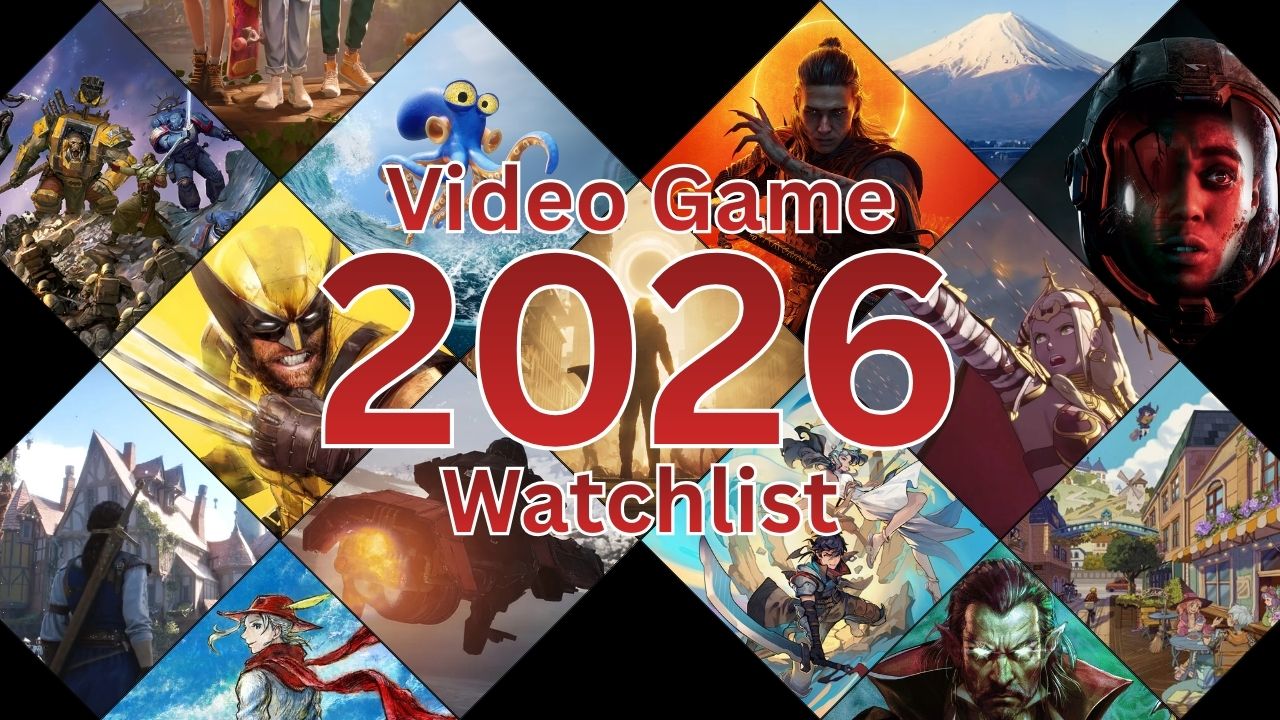
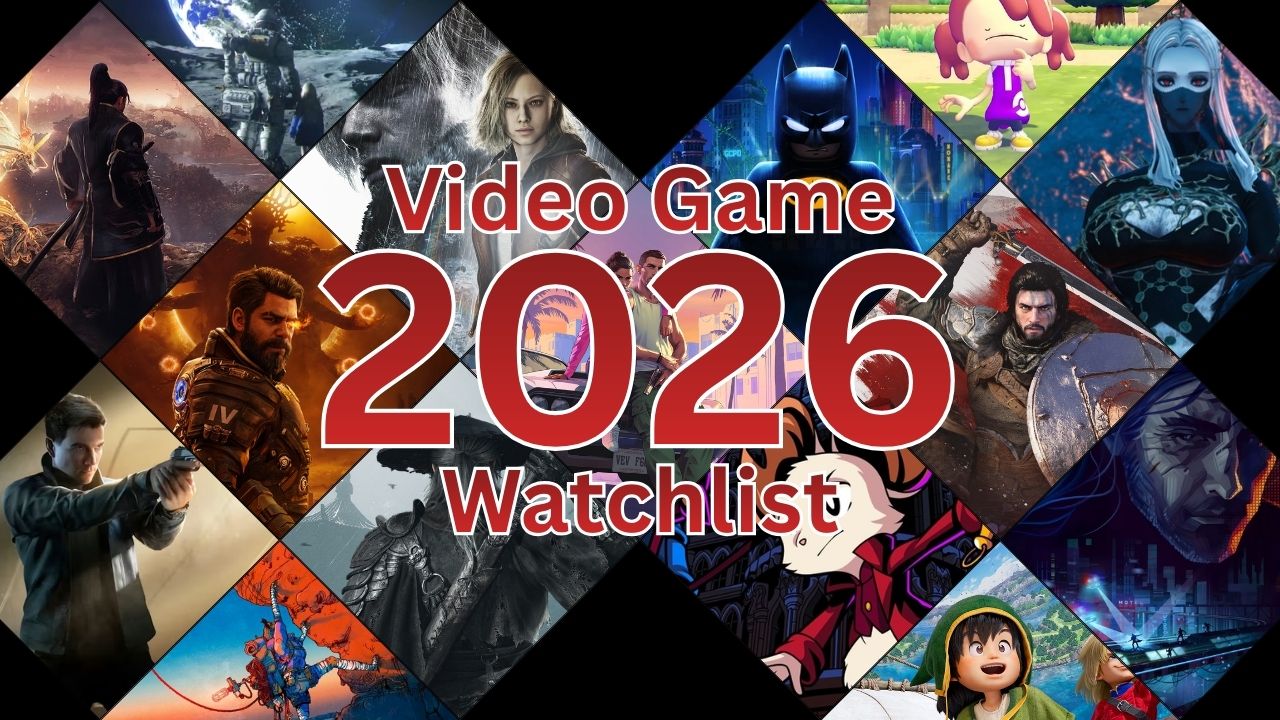
FullCleared S Most Anticipated Games Of 2026 FullCleared Fullcleared Most Anticipated Games Of 2026 1536x864 . 6 Best Desktop Computers 2026 YouTube . 2026 Video Game Release Calendar Confirmed Launch Dates Must Watch 2026 Video Game Release Calendar . Video Games 2026 Ones To Watch Part 2 Quest Daily 2026 Games Pt 2 . Video Games 2026 Ones To Watch Part 1 Quest Daily 2026 Games Pt 1



2026 Indie Games Discovery And Exploration Thread Games Quarter To . Ubisoft Posts Strong First Half Growth And Teases Major Creative Shake 4631581 . Top 10 Most Anticipated Video Games Of 2026 Cloud3D 00 Featured Image 1116 628 . Upcoming Games 2026 Full Video Game Release Calendar Beebom 2026 Games Release Schedule . The Best Video Games Coming Out In 2026 The Best Video Games Coming Out In 2026 C4e2.3840


Most Anticipated Games Of 2026 A New Era Of Action And Adventure1 Blog2. The Future Games Show Is Returning In 2026 With 6 New Shows GamesRadar . January 2026 Video Game Releases Cinelinx Movies Games Geek Culture CODE VEIN SGF 4 . Here Are All The PC Games Releasing In January 2026 Here Are All The PC Games Releasing In January 2026 1.webp. 2026 Indie Game Production Marketing Guide Indie Game Sucess In 2026 Featured Image

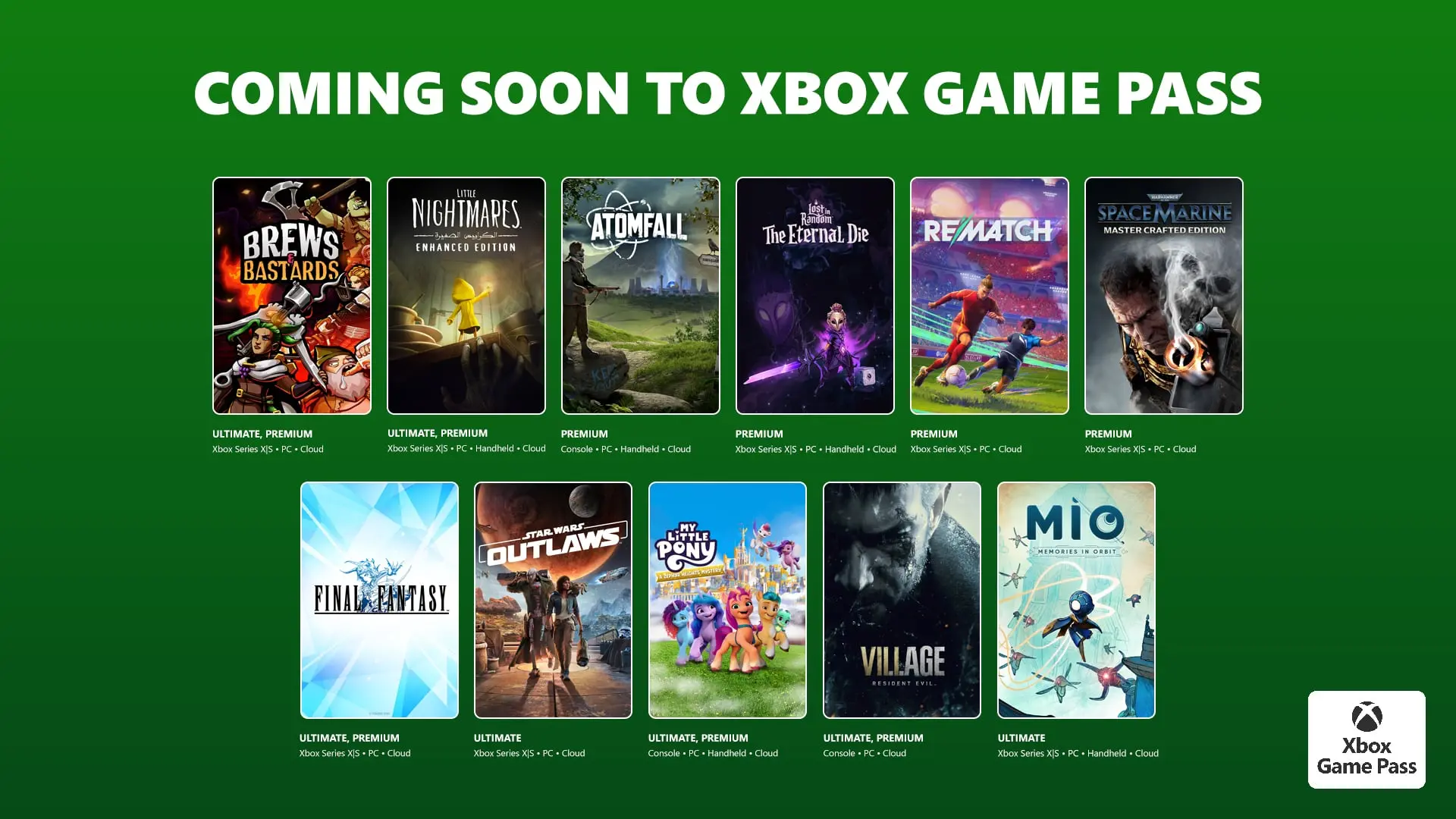
Top Upcoming PC Games Of January 2026 Streaming Gear Guide 1000010073 . The Future Games Show Is Returning In 2026 With 6 New Shows GamesRadar . Xbox Game Pass Startet Mit Starken Januar Neuzug Ngen Ins Neue Jahr 2026 Xgp 2026 01.webp