Are you a busy adult gamer juggling work, family, and life, wondering if your time spent leveling up is actually leveling down other areas? It's a common dilemma in 2026 for the average gamer, who is around 36 years old and dedicates over 10 hours a week to their passion. This comprehensive guide dives deep into the question of 'how much is too much gaming,' offering practical insights and actionable strategies to help you find that sweet spot between relaxation and overindulgence. We'll explore the signs, impacts, and solutions to ensure your gaming habits remain a source of joy, social connection, and skill development, rather than stress or neglect. Discover how to balance your virtual adventures with your real-world responsibilities, optimize your play, and truly get the most value from your gaming experiences without the guilt or burnout. This resource is tailored for the 87% of US gamers who play regularly and want to maintain a healthy, sustainable relationship with their favorite pastime.
Q: What are the primary signs that an adult gamer might be playing too much?
A: The main signs an adult gamer is playing too much include neglecting work or family duties, experiencing sleep deprivation, becoming irritable when not gaming, losing interest in other hobbies, and developing physical symptoms like eye strain or headaches. It's less about total hours and more about negative impacts on daily life.
Q: How can I effectively set and stick to gaming time limits without feeling deprived?
A: To set effective limits, schedule specific gaming times like appointments, use timers to signal the end of sessions, and complete essential tasks before starting to play. Communicating these limits to family helps gain support, and focusing on quality over quantity can make shorter sessions feel more fulfilling. Consider a reward system for sticking to limits.
Q: What are the real-world consequences of excessive gaming on a busy adult's life?
A: Excessive gaming can lead to significant real-world consequences such as decreased productivity and performance at work, strained relationships with family and friends due to neglect, poor physical health from a sedentary lifestyle, and increased mental health issues like anxiety or depression, ultimately disrupting overall life balance and well-being.
Q: Can modern gaming, especially social and mobile titles, genuinely offer benefits to adults?
A: Yes, modern gaming, particularly social and mobile titles, offers genuine benefits to adults, including stress relief, enhanced problem-solving skills, and crucial social connections. Many adults use platforms like Discord to maintain friendships and enjoy community-focused experiences, making gaming a valuable tool for mental well-being when balanced.
Q: When is it appropriate for an adult gamer to consider seeking professional help for their gaming habits?
A: It's appropriate to seek professional help if gaming consistently interferes with daily life, causes significant personal distress or relationship issues, or if an individual struggles to reduce play despite negative consequences. Professional guidance can provide strategies to regain control and establish healthier gaming habits.
Q: What are practical tips for integrating gaming into a busy schedule without sacrificing other priorities?
A: Practical tips include scheduling gaming sessions as specific appointments, prioritizing responsibilities before playing, using timers to manage play duration, communicating boundaries with family, and focusing on shorter, more engaging game experiences. Leveraging mobile gaming for quick breaks can also fit well into a packed schedule.
Q: How can I ensure my gaming expenses, including in-game purchases, don't strain my budget?
A: To prevent gaming expenses from straining your budget, set a strict monthly gaming budget for new titles and in-game purchases, and stick to it. Prioritize free-to-play games that offer complete experiences without excessive spending, and utilize subscription services like Game Pass for access to a wide library. Always evaluate if an in-game purchase truly adds value before committing.
Q: What role does physical activity and sleep play in maintaining healthy gaming habits?
A: Physical activity and adequate sleep are crucial for maintaining healthy gaming habits. Regular exercise counteracts the sedentary nature of gaming, improving physical health and mood. Sufficient sleep ensures mental clarity, reduces irritability, and helps in better decision-making, allowing gamers to enjoy their hobby without sacrificing overall well-being and productivity.
Are you a dedicated gamer navigating the daily grind, maybe balancing a job, a family, and a mountain of responsibilities? You're not alone. Many of us, especially the average US gamer around 36 years old, love to unwind in virtual worlds after a long day. Gaming offers incredible relaxation, fun, a chance to build skills, and vital social connections with friends, near and far. But sometimes, that exhilarating raid or compelling story can blur the lines, leaving us wondering: exactly how much is too much gaming?
It’s a question that resonates with 87% of US gamers who play regularly, often dedicating 10+ hours a week to their passion. This isn't about shaming anyone; it's about empowerment. We want to help you optimize your experience, find that sweet spot where gaming enhances your life, rather than detracting from it. From performance optimization to value for money, and staying current with trends without falling for every hype cycle, this guide offers practical, no-nonsense advice for the modern adult gamer. Let's tackle those common pain points and ensure your gaming remains a powerful, positive force in your life.
What Defines "Too Much Gaming" for an Adult?
Defining "too much gaming" isn't a one-size-fits-all answer. For adults, it typically means when gaming starts to negatively impact other essential areas of life, like work, relationships, physical health, or financial stability. It's not necessarily about the number of hours played, though consistently exceeding 4-5 hours daily without sufficient breaks or other activities can be a red flag. Instead, it’s about the consequences. If you're missing deadlines, neglecting loved ones, feeling physically unwell, or spending money you don't have on in-game purchases, you might be crossing that line. The key is balance and prioritization; if gaming consistently takes precedence over vital responsibilities, it might be an issue.
What Are the Common Signs You're Gaming Too Much?
Recognizing the signs is the first step toward healthier habits. Keep an eye out for these common indicators:
- Neglecting Responsibilities: You're skipping chores, falling behind at work, or missing social engagements because you'd rather game.
- Sleep Deprivation: You're regularly staying up late to game, leading to fatigue and poor concentration the next day.
- Irritability or Restlessness: Feeling agitated or moody when you can't game, or when asked to stop.
- Loss of Interest in Other Activities: Hobbies you once enjoyed now seem boring compared to gaming.
- Physical Symptoms: Eye strain, headaches, carpal tunnel syndrome, back pain, or poor hygiene.
- Financial Strain: Spending too much on games, expansions, or in-game items, impacting your budget.
- Strained Relationships: Arguments with family or friends over your gaming time or priorities.
- Deception: Lying about how much time you spend gaming or what you're doing online.
How Does Excessive Gaming Impact Your Real-Life Responsibilities?
The impacts of excessive gaming can ripple through every aspect of your life. At work, diminished focus and sleep deprivation can lead to decreased productivity, missed opportunities, and even job insecurity. In relationships, partners and children may feel neglected, leading to resentment and communication breakdowns. Socially, you might isolate yourself, prioritizing online interactions over real-world connections. Physically, a sedentary lifestyle contributes to weight gain, poor posture, and other health issues. Mentally, while gaming can be a stress reliever, too much can lead to increased anxiety, depression, and a sense of unfulfillment if other life goals are being ignored. It truly becomes a problem when the virtual world consistently overshadows and undermines your real-world well-being and obligations.
What Strategies Can Help You Balance Gaming with Work and Family?
Balancing gaming with a busy life requires proactive strategies. It's about intentional time management and clear communication.
- Schedule Gaming Time: Treat gaming like any other appointment. Block out specific, agreed-upon times in your calendar. This helps manage expectations with family and ensures you don't overcommit.
- Set Timers: Use an alarm or a gaming console's built-in timer to remind you when your session is up. Sticking to these limits builds discipline.
- Prioritize Responsibilities: Before you even think about logging on, ensure essential tasks (work, family duties, self-care) are completed or well underway.
- Communicate with Loved Ones: Talk to your partner and family about your gaming habits. Explain why you enjoy it, and work together to find times that fit everyone's schedule without causing friction.
- Involve Family (If Possible): Introduce family-friendly games or co-op experiences. Social gaming is huge right now, and finding titles everyone can enjoy can turn gaming into a shared activity. Mobile gaming is also dominant, making it easier to play short bursts together.
- Take Regular Breaks: Step away from the screen every hour or so. Stretch, grab a drink, walk around. This helps with physical strain and mental refresh.
- Designate Gaming-Free Zones/Times: Establish rules like "no gaming during dinner" or "no gaming in the bedroom."
Can Gaming Actually Be Beneficial, and How Do I Maximize Those Benefits?
Absolutely! Gaming offers numerous benefits, especially for adults. Many popular titles, including social and cozy games trending this month, foster community. Benefits include:
- Stress Relief: A fantastic way to unwind and de-stress after a demanding day.
- Cognitive Boost: Many games improve problem-solving skills, reaction time, and strategic thinking.
- Social Connection: Online multiplayer games, especially those using Discord, build and maintain friendships, even across distances. 87% of US gamers regularly play, and a significant portion values the social aspect.
- Skill Development: From leadership in an MMO raid to quick decision-making in an FPS, gaming builds transferable skills.
- Escapism and Storytelling: A safe way to explore new worlds and narratives.
To maximize these, focus on games that align with your goals: play co-op games for social connection, strategy games for mental stimulation, or narrative-driven titles for relaxation. Prioritize quality over quantity, choosing games that truly enrich your experience.
How Can Gamers Identify Healthy Gaming Boundaries?
Identifying your personal healthy gaming boundaries involves self-awareness and honest reflection. It's about finding that sweet spot where gaming adds value without causing neglect. Ask yourself:
- Does gaming interfere with my sleep?
- Am I regularly missing commitments because of gaming?
- Do I feel irritable or anxious when I can't game?
- Is my physical health suffering (e.g., lack of exercise, poor diet)?
- Are my relationships with family and friends strained due to my gaming?
- Am I spending money on games that I can't afford?
If you answer "yes" to several of these, it's a strong indicator that your boundaries need adjustment. Set clear limits on play duration, schedule gaming times, and ensure other life areas are being fulfilled before you game. A healthy boundary allows you to enjoy gaming fully without it dictating your life.
What are the Budget-Friendly Hardware Upgrades and Game Recommendations for Limited Time?
For the busy gamer, value for money and efficient use of limited time are key. Hardware upgrades don't always mean a full PC rebuild. Consider:
- SSD Upgrade: If you're still on an HDD, a Solid State Drive will drastically improve load times, even on older systems. This is a budget-friendly performance boost.
- RAM Upgrade: Adding more RAM (e.g., going from 8GB to 16GB) can smooth out performance, especially for multitasking or memory-intensive games.
- GPU Drivers: Always keep your graphics drivers updated! This is free performance optimization.
For games that respect your limited time and offer great value, look for:
- Indie Gems: Many indie titles offer deep experiences in shorter playtimes (e.g., Hades, Stardew Valley).
- Cozy Games: Trending this month, titles like Animal Crossing or Palia offer relaxation and social interaction without intense time commitments.
- Free-to-Play with Good Monetization: Games like Fortnite or Apex Legends can be enjoyed without spending, but watch out for predatory in-game purchase models.
- Game Pass/Subscription Services: Access a huge library for a monthly fee, letting you try many games without individual purchases.
- Mobile Gaming: With mobile dominance, many high-quality mobile games offer quick, engaging sessions perfect for short breaks.
When Should a Gamer Seek Professional Help for Gaming Habits?
Seeking professional help is a sign of strength, not weakness, especially when gaming habits feel out of control. If you consistently find yourself unable to cut back despite negative consequences, if your gaming is causing significant distress to yourself or your family, or if you experience severe withdrawal symptoms (like extreme irritability, anxiety, or depression) when you try to stop, it's time to reach out. Mental health professionals, therapists specializing in behavioral addictions, or support groups can provide tailored strategies, coping mechanisms, and support to help you regain control and find a healthier balance. Don't hesitate to seek help if gaming has become a detriment to your overall well-being.
FAQ Section
Q: Is gaming considered an addiction by medical professionals?
A: Yes, "Gaming Disorder" is recognized by the World Health Organization in its International Classification of Diseases (ICD-11), characterized by a pattern of gaming behavior (digital-gaming or video-gaming) defined by impaired control over gaming, increasing priority given to gaming over other life interests and daily activities, and continuation or escalation of gaming despite the occurrence of negative consequences. It's a real and serious condition.
Q: How can I tell if my child is gaming too much versus just enjoying a hobby?
A: Differentiate by observing if gaming interferes with their schoolwork, sleep, family interactions, and other hobbies. If they show extreme mood changes when asked to stop, lie about gaming time, or neglect personal hygiene, it might be more than just a hobby. Open communication and clear boundaries are crucial.
Q: What are some good alternatives to gaming for relaxation and stress relief?
A: Excellent alternatives include reading a book, listening to music or podcasts, exercising (even a short walk), practicing mindfulness or meditation, spending time in nature, pursuing a creative hobby like drawing or writing, or connecting with friends and family face-to-face. Finding non-screen-based activities is key to a balanced lifestyle.
Q: Are social games like MMOs or competitive esports more likely to lead to excessive gaming?
A: Both social MMOs and competitive esports can be highly engaging and time-consuming due to their social aspects, ongoing content, and competitive nature. The drive to keep up with friends, guildmates, or rank higher can make it harder to disengage. However, whether they lead to excessive gaming depends on the individual's self-regulation and external life balance, not solely on the game type. For many, social gaming is a healthy way to connect, especially with trends in Discord communities.
Q: How do in-game purchases and battle passes influence gaming habits?
A: In-game purchases, loot boxes, and battle passes are designed to encourage continuous engagement and spending. They can create a fear of missing out (FOMO) on exclusive content or progression advantages, pressuring players to log in regularly and spend money. This can make it harder to step away from a game and contribute to excessive play or financial strain if not managed responsibly. Always assess the real value and your budget before spending.
Q: What role does screen time play in overall well-being for gamers?
A: Screen time itself isn't inherently bad, but excessive and continuous screen time, especially without breaks, can negatively impact sleep, eye health, physical activity levels, and mental well-being. Balancing gaming screen time with other activities that involve physical movement, face-to-face interaction, and non-digital hobbies is crucial for overall well-being. It's about a holistic approach to your daily routine.
Q: What are the benefits of integrating gaming into a balanced lifestyle rather than eliminating it?
A: Integrating gaming into a balanced lifestyle allows you to harness its numerous benefits without the negative consequences of excess. It can be a powerful tool for stress relief, social connection, cognitive skill development, and pure enjoyment. When balanced with work, family, exercise, and other hobbies, gaming enhances life, providing a healthy outlet and contributing positively to mental and emotional well-being, rather than becoming a source of guilt or conflict.
Conclusion
Finding that sweet spot of 'how much is too much gaming' is a personal journey, but it's one that every adult gamer can navigate successfully. By understanding the signs, setting clear boundaries, and actively balancing your passion with your real-world responsibilities, you can ensure gaming remains a truly enriching part of your life. Remember, the goal isn't to quit gaming, but to game smarter, healthier, and with greater intention. What's your biggest gaming challenge when it comes to balancing life? Comment below and let's share solutions!
Identifying the fine line between healthy gaming and excessive play, understanding the impact of gaming on daily life, setting realistic gaming limits, leveraging gaming for stress relief and social connection, and practical tips for balancing gaming with work, family, and personal well-being.
34


Gaming Industry Statistics And Revenue Data 2026 Icon Era Statistics Gaming Industry Revenue Statistics 2026 . How Much RAM For Gaming In 2026 8GB Vs 16GB Vs 32GB The Ultimate Guide How Much Ram For Gaming 600x335 . 10 Much Awaited Games Set To Launch In 2026 Games To Launch 2026 1024x645 . How Much Does It Cost To Build A Gaming PC In 2026 Full Budget Guide Low Cost PC For Gaming 1024x536 . Top 10 Most Anticipated Games Of 2026 What To Watch Out For TVN GAMES IN 2026


Game How To Make Money From Your Games Kevuru Games Annual Growth Of Consumer Spending On Gaming Loot Boxes Worldwide From 2021 To 2026 1024x556 . Gaming How Much Is Too Much SAJC Gaming . Video Game Release Dates 2026 Full List Of Upcoming Games Too Much Video Game Releases Feb 2026 . Video Game Release Dates 2026 Full List Of Upcoming Games Too Much Video Game Releases Jan 2026 . Video Game Release Dates 2026 Full List Of Upcoming Games Too Much Video Game Releases May 2026



How Much Is Detergent The Real Cost Of Clean Clothes In 2026 Clairemagie The Effects Of Too Much Laundry Detergent Hero Graphic . Game Using Too Much RAM Fix Performance Over Time Game Using Too Much Ram Featured . Too Much Sun When A Sunburn Becomes Something More Serious And How To Dda39586 45d2 4241 Ad7e . Guild Wars 3 Announced At Summer Game Fest 2026 Too Much Gaming Guild Wars 3 Announced Summer Game Fest 2026 . KUOW How Much Of An Economic Boom Is The 2026 FIFA World Cup For The


.png)
How Much For A PC Gaming Setup Cost Budget Allocation 1 1024x576 . Video Games How Much Is Too Much Video Games Addiction THerapy Champaign 1 . In Game Purchase Spending Habits 2025 In Game Purchase Spending Habits 2025 . Video Game Release Dates 2026 Full List Of Upcoming Games Too Much Guide (3) . How Much Is A Gambling License Cost In 2026 A Complete 2026 Price How Much Does An IGaming License Cost A Complete 2026 Price Guide 300x140



Video Gaming Report 2026 The Next Era Of Growth BCG 90. How Much Is A Normal Gaming PC What Is The Cost HOW MUCH DOES A GOOD GAMING PC COST . How Much Gaming Is Too Much Artofit . Are We Paying Too Much Analyzing The Rising Costs Of Video Games Exploring The Rising Costs Of Video Games On Consoles And PCs Are We Paying Too Much 768x439 . Too Much Gaming Rock By Rock .much .gaming

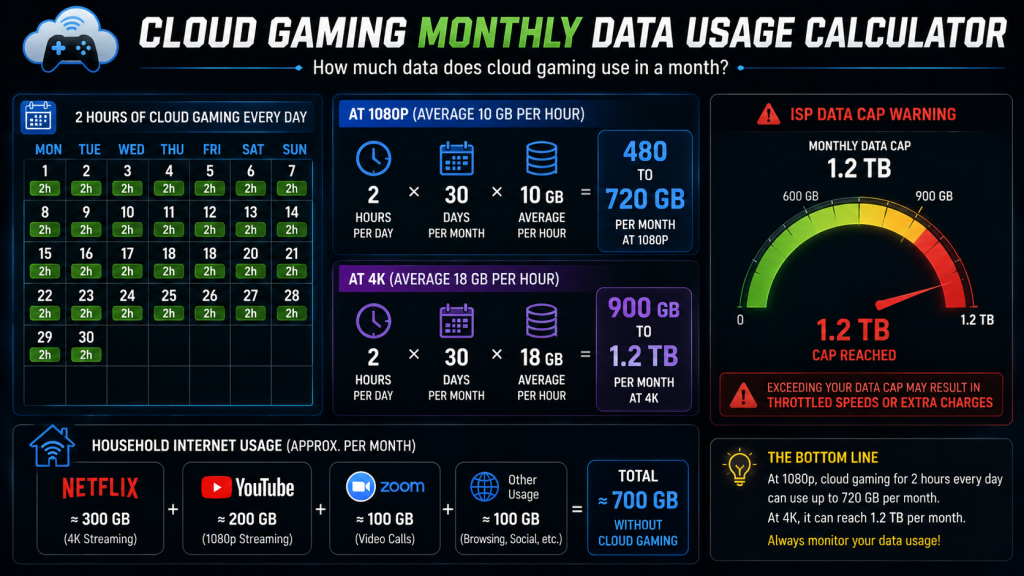
BlizzCon 2026 Tickets Go On Sale Soon Here S How Much They Ll Cost Picture. The 2026 Guide To Credit Utilization How Much Debt Is Too Much Image. U S Online Gambling Revenue Will Reach USD 23 8 Billion In 2026 Total Gambling Spending By Year . Open World Games That Get Too Much Hate Ultimate 2026 Guide Open World Games That Get Too Much Hate . Cloud Gaming Data Usage 2026 How Much Data Per Hour Image 98 1024x576



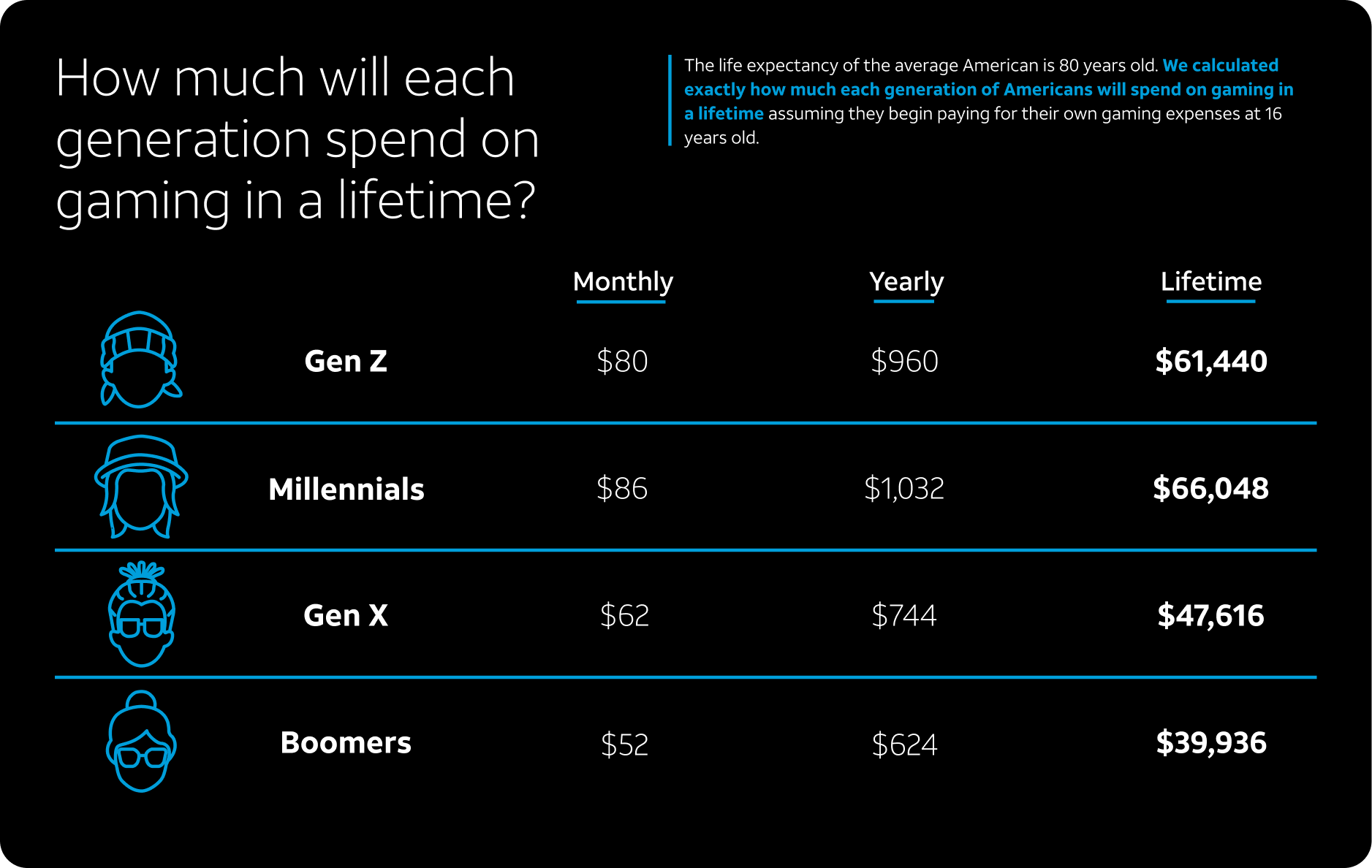
1400 Homes 35 Storey Towers The Plan To Transform Sydney S Old Fish How Much Video Gaming Is Too Much Study Pinpoints How Much Video Gaming Is Too Much Study Pinpoints. Gold Sovereigns And Silver Bullion Instant Win 500 End Prize TOO Untitled Design 10 . How Much Do MLS Tickets Cost Prices For Every Club In 2026 Mls Teams In 2026 . Survey Finds The Average Gamer Spends 58 000 On Gaming In Their Life Infographic How Much Each Generation Spends On Gaming In A Lifetime