

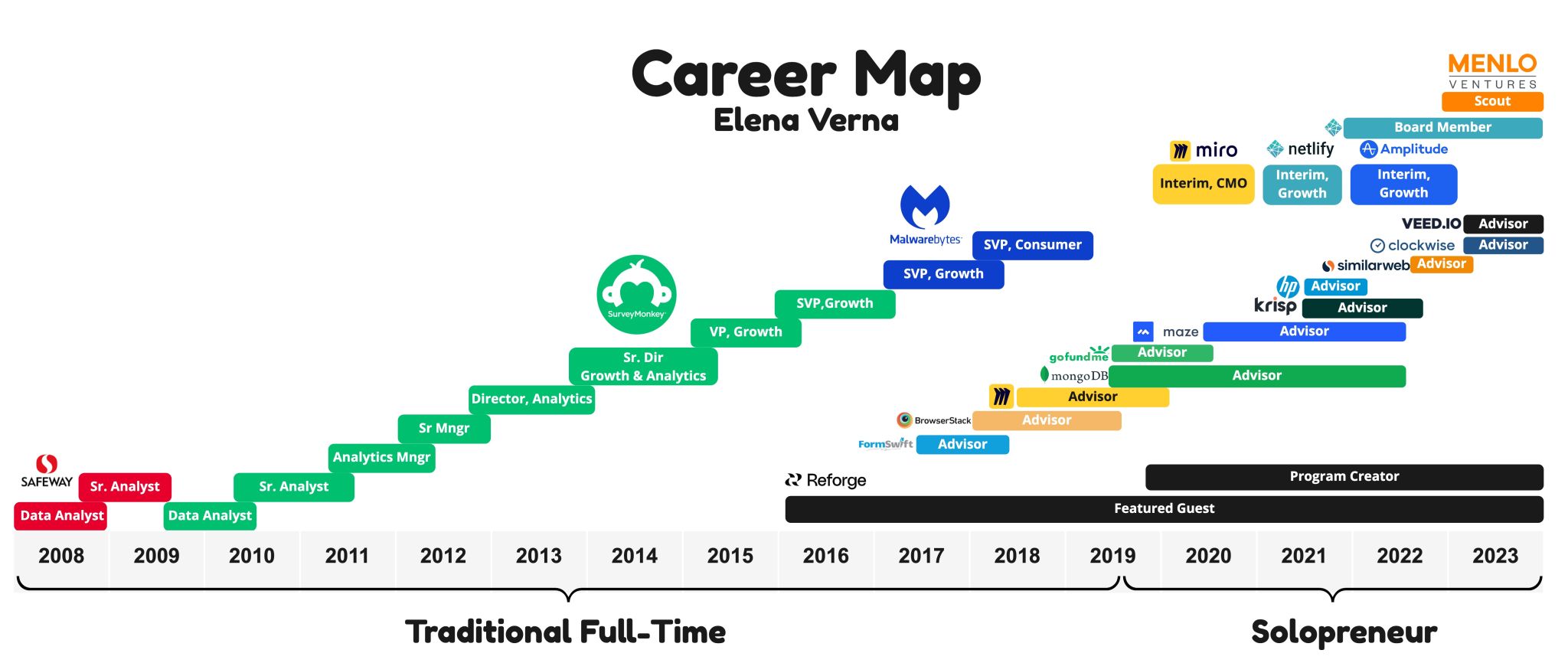


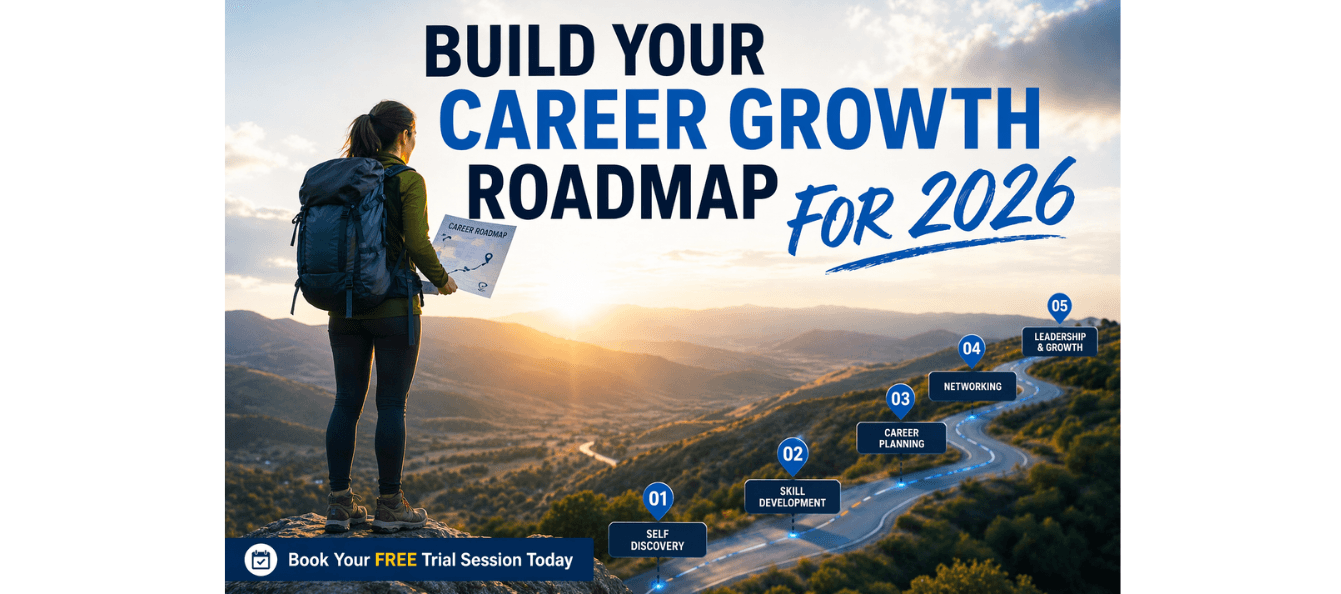


Ever feel like you are just drifting through your work life without a clear destination? You are not alone. Many professionals across the United States face the challenge of understanding where their career is headed and how to get there. The truth is, a thoughtful career path map can be your most powerful tool to steer your professional journey with purpose and confidence. This isn't just about finding a job; it's about building a fulfilling, successful trajectory that aligns with your true potential and aspirations.
A well-defined career path map serves as your strategic blueprint, outlining the steps, skills, and experiences needed to reach your professional goals. It helps you anticipate changes, identify opportunities, and proactively shape your future, rather than simply reacting to circumstances. By creating this map, you empower yourself to make informed decisions about training, job roles, and networking, ensuring every move you make contributes meaningfully to your long-term vision. Think of it as your personal GPS for professional growth in a complex world.
This comprehensive guide will walk you through everything you need to know about developing and using a career path map. We will explore the critical reasons why having one is essential in today's job market, breaking down the actionable steps to create your own personalized plan. We will also touch on how to find local support and avoid common pitfalls, equipping you with the practical insights to transform your career prospects starting today.
Why a Career Path Map is Non-Negotiable Today
The modern U.S. job market is anything but static. Industries transform at lightning speed, new technologies emerge constantly, and what was once a stable career can quickly become obsolete. In this environment, relying on chance or outdated notions of linear progression can leave you feeling lost or stuck. That is precisely why a meticulously crafted career path map isn't just a good idea; it's an absolute necessity for anyone serious about long-term professional success and stability.
Having a clear career path map helps you cut through the noise and focus your efforts effectively. It provides clarity on your desired destination, allowing you to prioritize which skills to develop, which experiences to pursue, and which professional connections to cultivate. Without this roadmap, you risk scattering your energy across various directions, potentially investing time and resources in pursuits that do not genuinely advance your core objectives. It is like trying to drive across the country without a map; you might eventually get somewhere, but it will be inefficient and likely not your preferred destination.
Moreover, a well-articulated career path map acts as a powerful communication tool. It helps you convey your ambitions to managers, mentors, and potential employers, demonstrating your foresight and commitment. This can open doors to new opportunities, specialized training, and even promotion consideration, as leaders often prefer investing in employees who show a clear vision for their own development. Showing you have put thought into your trajectory makes a strong statement about your professionalism and dedication.
The Challenge of Uncharted Professional Waters
Without a career path map, many professionals find themselves floating aimlessly, taking on roles that might offer short-term gains but do not contribute to a larger, coherent vision. This often leads to job dissatisfaction, skill stagnation, and the frustrating realization that years have passed without significant progress toward meaningful goals. The lack of direction can make it hard to answer common interview questions about your five-year plan or explain your career story in a compelling way.
Another significant challenge is the sheer overwhelm of options in today's diverse economy. From tech startups to established corporations, from traditional roles to gig economy opportunities, the choices can be paralyzing. Without a framework like a career path map, discerning which opportunities are truly aligned with your long-term aspirations becomes incredibly difficult. You might chase fads or perceived “hot” jobs that ultimately do not fit your strengths or values.
Finally, the absence of a structured plan can make navigating setbacks much harder. Every career has its bumps and detours. When you encounter a layoff, a project failure, or a promotion that does not materialize, a clear career path map provides a foundation to re-evaluate, adjust, and continue moving forward. Without it, these challenges can feel like insurmountable roadblocks, potentially leading to burnout or even giving up on professional ambitions altogether. A map offers resilience and empowers you to adapt.
How to Build Your Personalized Career Path Map
Crafting your own career path map is an empowering process, turning abstract aspirations into concrete, actionable steps. It is a dynamic document, meant to be revisited and refined as you gain new insights and experiences. Think of it less as a rigid decree and more as a living blueprint that guides your professional evolution. Let us break down the essential stages to create a map that truly serves you.
The journey begins with introspection and moves towards external research, culminating in a detailed action plan. Remember, the goal is not perfection on the first try, but rather clarity and direction. Be honest with yourself about your strengths and weaknesses, and stay open to learning new things about various industries and roles. This proactive approach ensures your map is robust and adaptable to future changes in the market.
By diligently working through these steps, you will transform vague notions of “career success” into specific, measurable objectives. This focused effort saves you time, reduces stress, and significantly increases your chances of achieving the professional life you envision. Getting started is often the hardest part, but each step builds momentum towards your ultimate goals and solidifies your career path map.
Step 1: Self-Assessment and Vision Setting
Before you can chart a course, you need to know your starting point and your desired destination. This means taking an honest look at your current skills, interests, values, and personality traits. What do you genuinely enjoy doing? What problems do you love solving? What kind of work environment makes you thrive? Tools like personality assessments (e.g., Myers-Briggs, StrengthsFinder) or interest inventories can be incredibly helpful here, but sometimes a good old-fashioned self-reflection journal does the trick.
Once you have a clearer picture of yourself, begin to envision your ideal professional future. This is where you dream big. What does success look like for you in 5, 10, or even 20 years? Do you see yourself leading a team, innovating a new product, or contributing to a specific cause? Your vision does not have to be a specific job title, but rather a clear sense of the impact you want to make and the lifestyle you want to lead. This vision forms the ultimate destination on your career path map.
Do not skip this foundational step. Without a solid understanding of yourself and a compelling vision, any path you choose might feel inauthentic or unsatisfying down the line. Take your time, talk to trusted friends or mentors, and really dig deep to uncover what truly motivates you. This personal clarity is the bedrock of an effective career path map.
- Identify Core Values: What matters most to you in a job and workplace? (e.g., impact, autonomy, stability, creativity, work-life balance)
- List Key Skills: Both technical (hard skills) and interpersonal (soft skills). Be honest about your proficiency.
- Explore Interests & Passions: What activities genuinely engage you, even outside of work?
- Reflect on Past Experiences: What did you enjoy and dislike in previous roles or projects? What were your proudest accomplishments?
- Define Your “Why”: What is the deeper purpose behind your professional aspirations?
Step 2: Researching Your Options and Industry Trends
With your self-assessment in hand, it is time to look outwards. Research potential career paths that align with your interests, skills, and values. This involves exploring different industries, specific job roles, and the typical progression within those fields. Websites like LinkedIn, Glassdoor, and the U.S. Department of Labor's O*NET OnLine are excellent resources for understanding job descriptions, required qualifications, and salary ranges across various professions.
Pay close attention to current and emerging industry trends. Are there sectors experiencing rapid growth? What skills are becoming highly sought after? Understanding these dynamics helps you identify future-proof career paths and avoid dead ends. Informational interviews with people already in roles or industries that interest you can provide invaluable, real-world insights that online research simply cannot capture. They can share the daily realities, challenges, and opportunities.
Do not be afraid to explore seemingly disparate options at this stage. Sometimes, skills learned in one area are highly transferable and valued in another. The goal is to gather as much information as possible to identify viable and exciting routes for your career path map. This phase is about broad exploration before narrowing down your focus.
Consider the following table to compare typical skills and education for different career levels:
| Career Level | Common Skills Required | Typical Education / Experience | Growth Opportunities |
|---|---|---|---|
| Entry-Level | Basic technical skills, willingness to learn, teamwork, communication | Associate's degree, Bachelor's degree, certifications, internships (0-2 years experience) | Specialist roles, junior management, advanced technical training |
| Mid-Career | Project management, problem-solving, leadership potential, specific technical expertise | Bachelor's/Master's degree, 3-7 years relevant experience, professional certifications | Senior specialist, team lead, project manager, department manager |
| Senior/Executive | Strategic planning, executive leadership, financial acumen, mentorship, innovation | Master's/MBA, 8+ years experience, extensive industry knowledge, executive education | Director, VP, C-suite positions, board roles, entrepreneurship |
Step 3: Skill Development and Gap Analysis
Once you have identified a potential career path, compare your current skill set against the requirements of that path. Where are the gaps? This gap analysis is a critical component of your career path map, pinpointing exactly what you need to learn or improve to reach your next professional milestone. This might involve technical proficiencies, soft skills like public speaking or negotiation, or even specific industry knowledge.
Develop a plan to acquire these necessary skills. This could involve formal education (e.g., online courses, degree programs, workshops), certifications, self-study, or on-the-job training. Consider practical experience through volunteer work, side projects, or taking on new responsibilities in your current role. The key is to be intentional and consistent in your learning efforts. Many resources are available, from free online platforms like Coursera and edX to community college programs and professional association workshops.
Do not underestimate the power of continuous learning. The most successful professionals are those who commit to lifelong skill development. Regularly review your career path map and assess your progress. The skills you need today might evolve tomorrow, so staying agile and open to new learning opportunities is paramount for sustained growth.
- Identify Target Skills: List the specific hard and soft skills required for your desired roles.
- Assess Current Proficiency: Honestly rate your current ability in each of those skills.
- Pinpoint Gaps: Note the areas where your current skills fall short of the target.
- Create a Learning Plan: Outline specific courses, certifications, projects, or experiences to close these gaps.
- Set Milestones: Define short-term goals for skill acquisition (e.g., “Complete Python certification by Q3 2026”).
Step 4: Setting SMART Goals and Milestones
A career path map is only effective if it translates into concrete actions. This is where SMART goals come into play: Specific, Measurable, Achievable, Relevant, and Time-bound. Instead of a vague goal like “get a better job,” aim for something like “complete a project management certification and apply for three project coordinator roles by December 2026.” These clear goals give you something tangible to work towards and track.
Break down your larger career goals into smaller, manageable milestones. For example, if your long-term goal is to become a senior manager, your milestones might include: getting a specific certification, leading a small team project, and networking with three managers in your target department. Each milestone should be a stepping stone that visibly moves you along your career path map.
Regularly review and adjust your goals and milestones. Life happens, priorities shift, and market conditions change. Your career path map is a living document, so it needs periodic updates to remain relevant and motivating. Celebrate each milestone achieved; it reinforces positive progress and keeps you energized for the next stage of your journey.
Step 5: Networking and Mentorship
While skills and goals are vital, your network is often the unseen engine of your career path map. Connecting with other professionals in your field, or in fields you aspire to join, can provide invaluable insights, open doors to opportunities, and offer different perspectives. Attend industry events, join professional associations, and leverage platforms like LinkedIn to build genuine relationships.
Mentorship is another powerful element. Finding an experienced professional who can offer guidance, share lessons learned, and provide honest feedback can accelerate your growth significantly. A good mentor can help you navigate corporate politics, refine your career path map, and avoid common pitfalls. Do not be afraid to seek out mentors; many established professionals are eager to give back and help others succeed.
Remember that networking is not just about what others can do for you; it is also about what you can offer. Be generous with your knowledge, support, and connections. Building a robust professional community is a two-way street that benefits everyone involved, creating a stronger foundation for your ongoing professional development.
Finding Local Support for Your Career Path Map
Sometimes, navigating the complexities of your professional journey requires a bit of external guidance. For U.S. job seekers and professionals, a wealth of local resources can help you refine your career path map, from career counselors to networking groups. These local connections can provide personalized advice, market-specific insights, and even direct leads that online research alone might miss. Thinking “near me” for career support can be a game-changer.
Community colleges often offer career services to the public, not just their students, providing resume reviews, interview coaching, and sometimes even job placement assistance. State workforce development agencies also provide extensive resources, including workshops, job fairs, and one-on-one counseling. These services are often free or low-cost, making them accessible to a wide range of individuals looking to enhance their career path map.
Do not overlook local industry associations or specialized networking groups. These organizations can connect you with peers and mentors in your target field, offering invaluable insights into local market conditions and specific company cultures. Checking local chambers of commerce websites or community event listings can reveal many opportunities to engage with professionals right in your backyard, giving your career path map a strong local dimension.
Career Counselors and Workshops Near Me
If you are struggling with self-assessment, identifying viable career paths, or overcoming specific professional roadblocks, a certified career counselor can be an excellent investment. These professionals specialize in helping individuals define their goals, develop strategies, and implement their career path map effectively. Many counselors offer initial consultations, allowing you to gauge if their approach aligns with your needs before committing to a full program. Search online for “career counseling near me” or check with professional organizations like the National Career Development Association (NCDA) for certified practitioners.
Local workshops and seminars are another fantastic way to gain new skills and insights. These events often cover topics like resume writing, interview techniques, salary negotiation, and networking strategies. Many also focus on specific industry trends or technological advancements, helping you stay current and adjust your career path map as needed. Keep an eye on community center calendars, library programs, and university extension course listings for upcoming opportunities. They often provide practical, actionable advice that you can apply immediately.
When searching for local support, consider checking online reviews and asking for recommendations. A good counselor or a valuable workshop can significantly impact your career trajectory. Look for programs that offer hands-on exercises and opportunities for direct feedback, as these are often the most impactful for refining your personal career path map and building confidence.
- Search local directories: Use terms like “career counselor [your city/state]” or “job search workshops near me.”
- Check university extension programs: Many offer professional development courses open to the public.
- Visit local libraries: They often host free career development seminars and provide access to career resources.
- Explore state workforce agencies: These provide free resources for job seekers, including counseling.
- Review professional associations: Industry-specific groups often have local chapters and offer mentorship programs.
Common Missteps When Crafting a Career Path Map
Even with the best intentions, it is easy to stumble when creating and following a career path map. Recognizing these common pitfalls can help you avoid them, ensuring your journey remains smooth and productive. The goal is to build a robust and realistic plan, not a utopian fantasy, so a grounded approach is key to success.
One frequent error is failing to make the map dynamic. The professional world changes, and your map must change with it. Another misstep involves being too rigid, refusing to adapt even when new information or opportunities arise. A truly effective career path map is a living document, not carved in stone, that you revisit and revise regularly.
By being aware of these potential roadblocks, you can proactively adjust your strategy and maintain momentum. A smart professional learns not just from their own mistakes but from the common challenges faced by others. Let us look at a couple of significant missteps that can derail even the most promising career trajectories.
Overlooking Industry Shifts
Many individuals craft a career path map based on current industry conditions without adequately forecasting future trends. This can lead to investing heavily in skills or roles that quickly become obsolete. For example, a decade ago, Blockbuster Video might have seemed like a stable career path, but the rise of streaming services rendered that industry largely irrelevant. The same kind of disruption happens constantly in various sectors today.
To avoid this, make trend analysis an ongoing part of your career planning. Read industry publications, follow thought leaders, and pay attention to technological advancements. Are there new regulations on the horizon? Is automation poised to transform certain job functions? Incorporating this forward-thinking perspective ensures your career path map remains relevant and resilient, preparing you for the jobs of tomorrow, not just today.
Proactive learning and adaptability are your best defenses against obsolescence. If you see a shift coming, start acquiring new skills or exploring parallel career paths that leverage your existing strengths in a new context. This willingness to pivot is a hallmark of successful, long-term career management.
Ignoring Personal Values
Another critical error is creating a career path map that prioritizes external validation or financial gain above your core personal values. While salary and prestige are important, a career that fundamentally clashes with what you hold dear can lead to deep dissatisfaction, burnout, and a sense of unfulfillment, no matter how “successful” it appears on paper.
For instance, if you value work-life balance and creative freedom, a high-pressure, highly structured corporate role might make you miserable, even if it offers a high salary. Revisit your self-assessment regularly. Are your career goals still aligned with what truly matters to you? Your career path map should be a reflection of your authentic self, not just societal expectations.
Prioritizing personal values ensures that your career path map leads to genuine happiness and purpose. This does not mean sacrificing financial security, but rather finding roles and environments where your values are respected and celebrated. A career that resonates with your inner compass is far more sustainable and rewarding in the long run.
What's Next? Activating Your Career Path Map
Having a beautifully crafted career path map is only half the battle. The real magic happens when you start putting it into action. This means consistently working towards your goals, embracing new challenges, and staying resilient through setbacks. Your map is your guide, but you are the driver.
Begin by taking those first concrete steps you identified in your plan. Whether it is signing up for a course, reaching out to a mentor, or revising your resume, start small and build momentum. Each action, no matter how minor, reinforces your commitment and brings you closer to your objectives. Do not wait for the “perfect” moment; make progress every week.
Remember to celebrate your progress and allow for flexibility. The world changes, and so might your aspirations. Your career path map is designed to adapt with you, so periodically revisit it, assess your progress, and be willing to adjust your course as new information or opportunities emerge. The journey is continuous, and your map is there to help you navigate every turn.
People Also Ask About Career Path Mapping
What is the difference between a career path and a career map?
A career path generally refers to the sequence of jobs or roles one takes throughout their working life, often within a specific industry or profession. It describes the actual journey. A career path map, however, is a strategic, often visual, document you create to plan that journey. It includes self-assessment, goal setting, skill development plans, and milestones, making it a proactive guide rather than a retrospective account. The map is your detailed blueprint for navigating your chosen path.
How often should I update my career path map?
Your career path map should be a living document, not a static one. Most experts recommend reviewing and updating it at least once a year, or whenever significant life or professional changes occur. This could be a new job, a major project completion, a shift in industry trends, or a change in personal priorities. Regular updates ensure your map remains relevant, accurate, and aligned with your evolving aspirations and market realities.
Can a career path map help me switch industries?
Absolutely. A well-constructed career path map is incredibly valuable for navigating an industry switch. By identifying your transferable skills, researching target industries, and outlining the necessary new skills or certifications, the map provides a structured approach to making a successful transition. It helps you articulate why you are making the change, what you bring to the new field, and how you plan to bridge any gaps, making your transition more strategic and less daunting.
Is a career path map only for new graduates?
Not at all. While highly beneficial for new graduates seeking direction, a career path map is equally, if not more, valuable for mid-career professionals or those contemplating a career change. It helps seasoned individuals reassess their goals, identify new growth opportunities, or pivot into new roles or industries. The dynamic nature of today's job market means continuous planning is essential for professionals at all stages to stay relevant and engaged.
What are the first steps in creating a career path map?
The first steps involve deep self-assessment. Begin by understanding your core values, interests, and strengths, and weaknesses. Reflect on what truly motivates you and what kind of work environment you thrive in. After this introspection, you can start researching potential career paths that align with your findings. This foundational understanding ensures that the map you build is authentic to your aspirations and maximizes your potential for long-term satisfaction.