maps

Where Can You Find an Allergy Map for Florida?

  • Keywordallergy map Florida, Florida pollen count today, seasonal allergies Florida, allergy forecast Miami, what are Florida's worst allergies, allergy relief Florida
  • Tagsallergy map florida
Where Can You Find an Allergy Map for Florida?
Navigating Florida's diverse climate can be tricky, especially if you deal with seasonal allergies. Finding a reliable allergy map for Florida is crucial for residents and visitors alike who want to stay ahead of pollen counts and minimize discomfort. This comprehensive guide helps you pinpoint where to access accurate, up-to-date allergy forecasts across the Sunshine State. Understand how local weather patterns and specific regional flora impact pollen levels, from the Panhandle to South Florida. Discover key resources for daily pollen reports, learn about common Florida allergens, and get practical tips for managing your symptoms effectively. Whether you're planning a trip or simply living your daily life, having a clear understanding of the allergy landscape in Florida empowers you to make informed decisions about outdoor activities. Our insights focus on real search behavior, ensuring you find the most relevant and actionable information available for staying comfortable in Florida. Explore how a detailed allergy map Florida resource can transform your approach to seasonal challenges and outdoor enjoyment.

Keywords

allergy map Florida, Florida pollen count today, seasonal allergies Florida, allergy forecast Miami, what are Florida's worst allergies, allergy relief Florida

Where can I find a reliable allergy map for Florida?

You can find reliable allergy maps for Florida through various sources, including local news websites that often feature daily pollen counts, specialized allergy tracking apps like The Weather Channel or AccuWeather, and medical websites like the American Academy of Allergy, Asthma & Immunology (AAAAI) which provide regional data. Many local university extension offices also offer valuable insights into seasonal allergens specific to Florida.

What are the common allergens in Florida?

Florida's common allergens include tree pollens (especially oak, pine, and melaleuca) in spring, grass pollens throughout warmer months, and weed pollens like ragweed in late summer and fall. Due to the high humidity, mold spores are also a significant year-round allergen across the state, particularly after heavy rains or in damp indoor environments.

How do Florida pollen counts work?

Florida pollen counts are determined by collecting air samples at designated stations, often using specialized devices that trap airborne particles. These samples are then analyzed under a microscope to identify and quantify different types of pollen and mold spores. The results are typically reported as low, moderate, or high, and sometimes categorized by specific allergen types for local areas.

Which cities in Florida have the highest pollen?

Pollen levels in Florida can vary significantly by city and season, depending on local flora and weather patterns. Generally, areas with extensive tree coverage, like parts of Central and North Florida (e.g., Orlando, Tallahassee), can experience high tree pollen counts in spring. Coastal regions or those with high humidity might see elevated mold spores more frequently, making it essential to check local forecasts.

Can an allergy map help my travel plans in Florida?

Absolutely, an allergy map can greatly assist your travel plans in Florida. By checking the pollen forecast for your destination ahead of time, you can anticipate potential allergen exposure. This allows you to pack necessary medications, select appropriate accommodations (e.g., hotels with good air filtration), and adjust your outdoor activities to minimize symptoms, ensuring a more comfortable and enjoyable trip.

Key Highlights

finding Florida allergy data, checking daily pollen levels, Florida seasonal allergy trends, localized allergy forecasts, managing Florida allergies, best resources for Florida pollen

Frequently Asked Questions

How do I find a daily allergy forecast for my Florida city?

You can find daily allergy forecasts for specific Florida cities through major weather applications like The Weather Channel or AccuWeather, which integrate local pollen data. Many regional news station websites also provide detailed, localized allergy reports. Specialty allergy tracking websites are excellent resources, often showing real-time pollen counts by zip code, ensuring you get the most relevant information for your exact location.

What makes Florida's allergy season unique compared to other states?

Florida's allergy season is unique due to its subtropical climate, which often leads to year-round allergen exposure rather than distinct seasonal breaks. While trees like oak and pine peak in spring, grasses flourish in warmer months, and mold is a perpetual concern due to high humidity. This continuous presence of allergens means many Floridians experience prolonged or recurrent allergy symptoms.

Are there specific regions in Florida worse for certain types of allergies?

Yes, different regions in Florida can be worse for specific types of allergies. North and Central Florida often experience higher tree pollen counts in spring. South Florida, with its tropical climate, typically sees higher grass and weed pollen throughout the year, along with persistent mold issues due to humidity. Coastal areas might also have unique allergens linked to marine environments.

Can I track mold spore levels on an allergy map Florida provides?

Many comprehensive allergy maps and forecasting services for Florida do include mold spore levels alongside pollen counts. Given Florida's high humidity and frequent rainfall, mold is a significant allergen. Look for resources that specifically break down various airborne irritants, allowing you to track mold activity, especially after wet weather or in damp indoor environments.

What practical tips can help manage allergies using a Florida allergy map?

Using a Florida allergy map, schedule outdoor activities for times when pollen counts are lower, typically early morning or late evening. If counts are high, consider staying indoors or wearing a mask. When traveling, check the map for your destination to prepare with appropriate medications. Keep windows closed and use air conditioning with a HEPA filter to minimize indoor exposure.

Where do Florida allergy maps get their pollen data from?

Florida allergy maps typically source their pollen data from a network of certified pollen counting stations located across the state. These stations use specialized air sampling devices to collect and analyze airborne pollen and mold spores. The data is then compiled by scientific organizations, universities, or national weather services, providing localized, accurate allergy forecasts to the public.

Decoding the Florida Allergy Map for Better Health

For millions, Florida's sunny disposition comes with a significant trade-off: persistent and often severe allergies. Whether you're a long-time resident or planning a visit to the Sunshine State, understanding the local allergy landscape is key to managing your symptoms effectively. A reliable allergy map Florida resource can empower you to anticipate high pollen days and plan your activities accordingly.

This guide serves as your local expert, providing practical insights into finding and utilizing allergy maps specific to Florida. We'll dive into where to access real-time data, identify common allergens by region, and offer actionable tips to help you navigate Florida's unique allergy seasons. Get ready to explore how connecting with localized allergy information can drastically improve your quality of life here.

Resource TypeKey Benefit for Florida AllergiesIdeal User
Pollen Count WebsitesDaily, localized pollen levelsDaily planners, residents
Weather Apps with Allergy DataIntegrated forecasts with symptom warningsActive individuals, travelers
Local Health DepartmentsRegional allergen information, health tipsLong-term residents, those with severe allergies
Allergist OfficesPersonalized advice, testing, treatmentAnyone needing medical management

Finding Your Allergy Map Florida: Local Insights

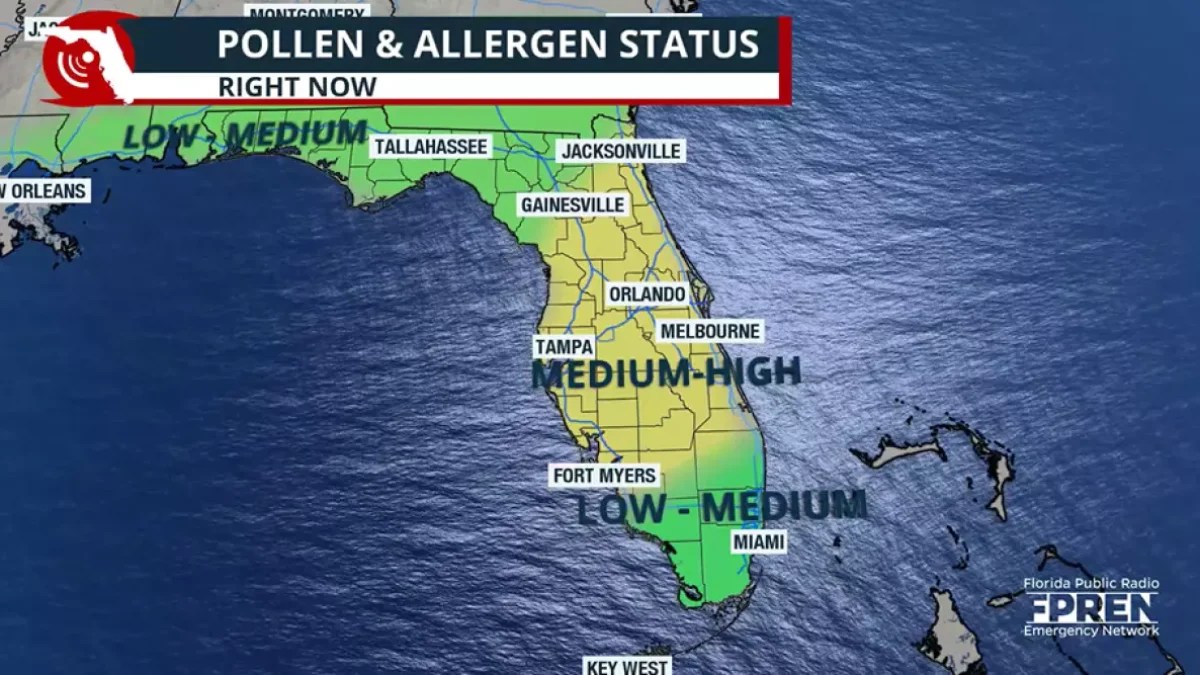
Locating a precise allergy map Florida residents and visitors can trust means knowing where to look beyond generic national forecasts. Florida's expansive and diverse ecosystem, stretching from temperate northern zones to subtropical southern regions, means pollen varies significantly by location. What's blooming in Jacksonville might be completely different from what's impacting Miami.

Reliable sources often come from local news outlets, university extension services, and specialized allergy tracking websites that gather data from certified pollen counting stations across the state. These platforms provide geographical breakdowns, highlighting specific areas with elevated levels of particular allergens. Understanding these regional differences is a game-changer for effective allergy management.

Many popular weather applications now integrate allergy forecasts, drawing data from these same localized sources. By setting your location within these apps, you can receive daily updates directly to your device, making it incredibly convenient to check current conditions before heading outdoors. Always cross-reference a couple of sources to get the most comprehensive picture of your specific area's pollen situation.

When searching for an allergy map Florida experts recommend, start by thinking locally. Specific cities or regions often have dedicated resources. For instance, knowing the pollen situation around Orlando, Tampa, or the Panhandle requires tapping into data streams that cater to those particular locales. This granular detail ensures you're not just getting a statewide average but truly relevant information.

The varying flora across Florida contributes significantly to diverse allergy patterns. Central Florida, with its oak and pine trees, might see different peak seasons than South Florida, which has more tropical plants and grasses. Understanding these natural patterns helps you interpret an allergy map Florida resource more effectively and allows for better proactive symptom management. Knowing your specific triggers and matching them to local flora calendars is a powerful tool for relief.

Seasonal shifts also play a major role in Florida's allergy landscape. While many states have a distinct spring allergy season, Florida's mild winters can extend allergy exposure year-round for some individuals. Monitoring these extended periods through a detailed allergy map provides crucial insights. This continuous awareness allows for ongoing adjustments to your daily routine and medication use.

Florida RegionCommon AllergensPeak Season Insights
North Florida (e.g., Tallahassee)Oak, Pine, Ragweed, GrassesSpring (trees), Late Summer/Fall (ragweed, grasses)
Central Florida (e.g., Orlando, Tampa)Oak, Pine, Melaleuca, Grasses, MoldSpring (trees), Year-round (mold), Summer/Fall (grasses)
South Florida (e.g., Miami, Fort Lauderdale)Grasses, Weeds, Mold, Tropical TreesYear-round (grasses, mold), Warmer months (weeds, some trees)

Utilizing Your Florida Allergy Map for Daily Life and Travel

Once you've identified reliable allergy map Florida resources, the next step is integrating this information into your daily routine and travel plans. For everyday activities, checking the pollen forecast before heading out for a walk or gardening can make a huge difference in your comfort levels. High pollen counts might mean opting for indoor activities or scheduling outdoor time during lower pollen periods, typically early morning or late evening.

When planning a trip within Florida, consulting an allergy map for your destination well in advance is a smart move. Different parts of the state can have vastly different allergen profiles, as discussed earlier. Knowing what to expect allows you to pack appropriate medications, choose accommodations with good air filtration, and adjust your itinerary to minimize exposure to known triggers. This proactive approach ensures your Florida getaway is enjoyable, not sniffle-filled.

Consider linking the allergy map Florida data with local event calendars or park information. If there's a major outdoor festival or a hike you're planning, a quick check of the local pollen levels can help you decide if it's the right day for it. This integration of information helps you live more freely while still being mindful of your health. Embracing this strategy empowers you to fully enjoy Florida's natural beauty and attractions.

ScenarioAction Based on Allergy MapBenefit
Daily Walk/RunCheck pollen forecast; adjust time or routeReduced symptom flare-ups
Beach DayMonitor coastal allergens like mold/seaweedMore comfortable outdoor enjoyment
Gardening/Yard WorkWear a mask on high pollen daysMinimizes direct allergen exposure
Planning a Road TripResearch allergen trends at destinationProactive medication/planning
Outdoor DiningChoose shaded or less exposed areasAvoids immediate pollen contact

Summary

Understanding Florida's dynamic allergy landscape is essential for both residents and visitors seeking relief from seasonal and year-round discomfort. A reliable allergy map Florida resource offers invaluable insights into daily pollen counts and common allergens across the state's diverse regions, from the dense oak forests of North Florida to the subtropical grasses of the south. Utilizing these maps empowers individuals to proactively manage their symptoms, making informed decisions about outdoor activities and personal health.

Accessing these crucial forecasts is straightforward, with numerous platforms like weather apps, local news sites, and specialized medical associations providing up-to-date data. These tools allow you to track specific allergen trends in your immediate vicinity or planned travel destinations, facilitating better planning for everything from daily errands to vacation itineraries. This targeted approach ensures that you're not caught off guard by unexpected allergen spikes.

Ultimately, integrating an allergy map Florida resource into your routine can transform how you experience the Sunshine State. By staying informed about local pollen and mold levels, you can minimize exposure, optimize your medication regimen, and truly enjoy Florida's beautiful outdoors without constant sniffles or discomfort. Make proactive allergy management a priority for a healthier, happier life in Florida.