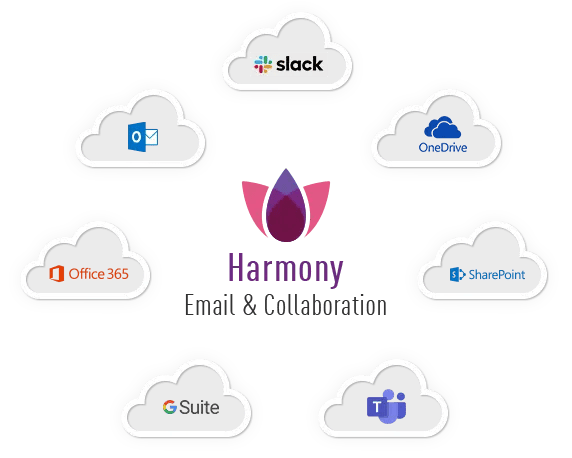
What Exactly is Harmony Email Collaboration?
Harmony email collaboration is a modern approach to team communication that transforms traditional email into a shared, integrated workspace. It allows multiple team members to collectively manage, discuss, and act on email conversations, ensuring everyone has context and tasks are clear. This system goes beyond basic message exchange, fostering efficiency, transparency, and accountability across projects.
Gone are the days of endless "reply-all" chains and fragmented information spread across individual inboxes. With harmony email collaboration, your team operates from a single, unified perspective on all inbound and outbound email communications. This means everyone involved in a project or client interaction can access the full history, understand the current status, and contribute seamlessly without duplicating efforts or losing critical context.
Think of it as bringing the best aspects of project management tools directly into your email workflow. It's not just about sharing an inbox; it's about providing tools for internal notes, assigning ownership, tracking follow-ups, and automating repetitive tasks. This orchestrated effort ensures that every email contributes meaningfully to your team's objectives, reducing clutter and boosting overall productivity.
This shift is particularly valuable for groups handling customer support, sales inquiries, or complex project management where multiple stakeholders need to be informed and active. It empowers teams to respond faster, make more informed decisions, and maintain consistent messaging, which is crucial for client satisfaction and internal alignment.
Why Is Adopting Harmony Email Collaboration Crucial for Modern Teams?
Adopting harmony email collaboration is crucial because it directly addresses the inefficiencies and frustrations inherent in traditional email management. It solves problems like information silos, delayed responses, duplicated efforts, and missed tasks, which can severely hinder team performance. By centralizing communication and tasks, teams achieve greater transparency, accountability, and streamlined workflows.
In today's competitive landscape, businesses can't afford to waste time chasing down email threads or clarifying who is responsible for what. Traditional email systems often create bottlenecks, especially when multiple people need to be involved in a conversation or a decision. This can lead to significant delays, misunderstandings, and a general feeling of being overwhelmed by the sheer volume of messages.
Harmony email collaboration provides a clear path through this digital chaos. By integrating features that allow for internal discussion alongside client-facing emails, teams can strategize and coordinate discreetly. This means less internal back-and-forth email and more focused, productive work. For example, a gaming support team can collectively address player issues, internally discuss solutions, and assign tickets without ever leaving their collaborative email platform, ensuring swift and informed responses.
Furthermore, it significantly improves knowledge retention. When a team member leaves or takes a vacation, the collective history of interactions and decisions remains accessible. This institutional knowledge is invaluable, preventing disruptions and ensuring continuity of service or project momentum. It's about building a robust communication infrastructure that supports growth and resilience.
What Are the Key Features to Look for in a Harmony Email Collaboration Tool?
When selecting a harmony email collaboration tool, prioritize features like shared inboxes, internal notes for private discussions, and collision detection to prevent duplicate replies. Look for robust task management capabilities, automation rules for workflow efficiency, and comprehensive analytics. Integration with other business tools is also vital for a truly cohesive digital workspace.
Let's break down these essential components. A shared inbox is foundational, allowing multiple team members to access and manage emails sent to a common address (e.g., [email protected]). This ensures that customer inquiries never go unanswered because an individual is out of office, creating a single source of truth for all communications.
Internal notes are game-changers, enabling private team discussions directly within an email thread, invisible to the sender. This means strategic decisions, context, and assignments can be communicated precisely where they're needed, eliminating the need to forward emails internally or jump to a separate chat application.
Collision detection is a subtle but powerful feature. Imagine two team members trying to reply to the same customer email simultaneously. Collision detection alerts them, preventing awkward duplicate responses and ensuring a professional, unified front. This tiny detail enhances the customer experience significantly.
Effective task management within the email environment allows team members to assign emails as actionable items, set deadlines, and track progress. This transforms emails from passive messages into active work items. Automation rules can further streamline operations by automatically routing emails to the correct department, tagging them, or assigning them based on keywords, freeing up valuable human time.
Finally, consider integrations with your existing CRM, project management software, or customer service platforms. A tool that seamlessly connects with your current ecosystem creates a truly harmonious and efficient digital workflow, making your entire operational setup stronger.
| Essential Feature | Benefit for Team Collaboration | Example Use Case |
|---|---|---|
| Shared Inbox | Centralized access for all team members | Managing customer support for a game studio |
| Internal Notes | Private discussions within email threads | Discussing client feedback before drafting a response |
| Collision Detection | Prevents duplicate replies from team members | Ensuring only one agent responds to a player's bug report |
| Task Assignment | Transforms emails into actionable tasks | Assigning a marketing email to a specific team member for follow-up |
| Automation Rules | Streamlines repetitive email handling | Automatically tagging emails from VIP clients as 'High Priority' |
| Analytics & Reporting | Insights into team performance and response times | Monitoring average response time for sales inquiries |
How to Implement Harmony Email Collaboration Successfully in Your Organization?
Implementing harmony email collaboration successfully requires a thoughtful strategy, starting with careful tool selection and clear team training. Begin by defining roles and responsibilities, establishing clear communication guidelines, and gradually migrating workflows. Regular feedback and adaptation are crucial to optimize the system for your team's specific needs and ensure long-term adoption and benefits.
The first step is undoubtedly choosing the right platform. Evaluate options based on your team size, specific needs, budget, and integration requirements. Don't rush this decision; a trial period can be incredibly beneficial to ensure the tool aligns with your organizational goals and user experience expectations. Look for solutions that are intuitive and don't require extensive technical knowledge to operate.
Once you've selected a tool, team training is paramount. Don't just show them the features; explain the "why" behind this shift. Illustrate how harmony email collaboration solves their pain points and makes their work easier. Provide hands-on workshops and create clear, accessible documentation. A well-informed team is more likely to embrace new workflows enthusiastically.
Establish clear communication guidelines. When should an internal note be used versus a direct message in a chat app? What's the protocol for assigning tasks? Defining these boundaries upfront prevents confusion and ensures consistent usage of the collaborative features. For instance, a small business could agree that all client-facing emails go through the shared inbox, while internal project discussions use the private note feature.
Start with a pilot program in a smaller team or department before rolling it out company-wide. This allows you to identify and address any unforeseen challenges or user adoption issues on a smaller scale. Gather feedback from this pilot group and use it to refine your implementation strategy. This iterative approach is key to a smooth transition and widespread acceptance of harmony email collaboration. Ultimately, it's about making sure your team finds genuine value in the new way of working.
Best Practices for Ongoing Harmony in Email Collaboration
- Regularly review workflows: As your team evolves, so should your collaborative email processes. Periodically assess if your current setup still serves your needs efficiently.
- Encourage internal notes: Remind your team to use internal notes for context and strategy rather than separate chat conversations, keeping all relevant information within the email thread.
- Leverage automation: Continuously look for opportunities to automate repetitive tasks like tagging, routing, or assigning based on keywords or sender.
- Keep training ongoing: New team members will join, and platforms may update. Ensure there's always accessible training and support for everyone.
- Monitor performance metrics: Utilize the analytics offered by your chosen platform to track response times, task completion rates, and overall team engagement.